Perhaps the most prolific of AT‘s production crew, Rebecca Sugar is one of the few board artists that nearly every AT fan, casual or seasoned, has been able to recognize. Known for her more overtly emotional style of writing and very blobby, expressive sketches, Sugar may have the most distinctive visual identity in the entire series. If a character is seen crying between seasons two and four, there’s a good chance Sugar was at the helm.
Art Style
If Herpich’s style incorporates a blend of realistic human anatomy and cartoony features, Sugar’s is that to the nth degree. Her love for human anatomy bleeds through in her dancing sketches, as seen in images 3 and 4, which boast extremely dynamic posing that are rich for exaggeration in other examples. For an artist that delves so deep into emotional and physical realism, it’s astounding how much she is willing to push to an almost extreme level when it comes to facial expressions and body language. None of this is more evident than in her short film Singles, which features an entirely convincing display of human body language in the blobbiest, most absurd way. These are the sensibilities that bleed most into her AT work – extreme dynamic posing with characters that essentially bleed out of their own anatomy with emotion.
Concept Art
Various different sketches from Sugar, some of which develop design aspects for episodes (Flame Princess’s general look, Marceline’s outfits) while others are seemingly just drawings whipped up in her spare time. All of her general interests bleed through in these sketches – Flame Princess, Fionna & Cake, fashion and hair, and of course, Marceline.
Steven Universe
It wouldn’t make sense to do this without some Steven! The Sugar trademarks bleed through the most in these sketches – strong posing, stretched faces, expressive eyes, lowered mouth, anime accents, bulbous features, and a love for dancing and outfit changes. It’s no wonder that Sugar crafted Marceline’s most iconic outfit in What Was Missing.
Finn & Friends
Talk about bulbous! Sugar’s Finn is the blobbiest Finn of all. Perhaps most distinctive are his facial features, which will range from the eyes becoming huge and glossy while the mouth shrinks, to the mouth becoming massive and complementing with equally large eyes. The mouth is quite possibly even more distinctive than those huge anime eyes, often morphing into a Muppet mouth that flaps off the side, mostly notably in the seventh image. Eyebags and wrinkles are common, though they usually drastically range in size and detail (different from the previously explored Steve Wolfhard who has a pretty consistent line weight and size for all of his accents). Of course, blushing and anime eyes are also staples, and that excellent sense of posing bleeds through in the eighth image. Perhaps most unique is how much Finn’s hat actually feels like a separate piece of apparel rather than a legitimate staple of his body in Sugar’s drawings. His face will often protrude outside of the hat, as seen in the fifth and ninth image.
Jake isn’t usually a focal point in Sugar entries (even her sections during Jake vs Me-Mow were mostly centered around the Finn portions) but her touch is still evident when working with him. It’s a chance for her more simplistic attributes to shine, like the boomerang mouth seen throughout these images, which is usually more pushed than the typical bean mouth. He’s also a bit more segmented than the usual Jake, often having a clear separation between his back and lower half, as seen in the first and last images. Again, emphasizing that great sense of posing.
Some more Sugar shots of other characters. Mouths off to the side, boomerangs, tears, eye bags, and some of the most realistic hair physics you’ll ever see in the series. There’s plenty of implications of her styles in Seasons 2 and 3, but her contributions are really unmistakable from Season 4 onward. I think Jake the Dog is probably where her style shines the most, because she gets to work with eye whites and noses. That first shot is essentially just a Steven Universe character.
Promo Art
I believe Rebecca was the first board artist from the series to start doing individual episode promos. These promos range from detailed black-and-white drawings to full, vibrantly colored pieces, often without any type of backdrop. Sugar is also unique in having miniature versions of her and Adam Muto (and later Cole Sanchez, to a lesser extent) in all of her promos from Season 2-3. Tom Herpich would later mimic this for a bit during his time working with Ako Castuera throughout Season 2.
Storyboards
A handful of Sugar boards in all of their bulbous, emotional, sketchy glory.
Title Cards
As far as I’m aware, Sugar has only designed the title cards for two episodes: Incendium and I Remember You. I could only find a good scan of the Incendium rough design online, while the I Remember You initial sketch can be found in Volume 2 of the title cards book from a few years ago. If anyone has a clean copy, feel free to send my way and I’ll add it above!
Known for his love of tabletop games and general affinity for the pups, King of Ooo, and the 1000+ Ooo-scape, Steve Wolfhard started out as a board revisionist before becoming a full-time board artist at the start of season 5. His partnership with Tom Herpich has been the longest running board team for the entirety of the series, and despite their general overlapping interests (Tree Trunks, Finn and Jake’s brotherhood, Finn being kind of stupid) Wolfhard’s style largely contrasts Herpich when it comes to design.
Art Style
Wolfhard’s style is easily recognizable for its super thin, squiggly outlines. Details mostly extend to facial accents, such as wrinkles, eyebags, hairs, and fuller lips. His sensibilities are similar to that of his partner, connecting to the magic and sorcery of the world while also leaning more toward a cartoonier side. Wolfhard has worked on a few animated shows post AT, most notably Amphibia.
Concept Art
Wolfhard’s squiggly outlines and flat color are prominent in most of his artwork – concepts included. Wolfhard has maybe created the most concept artwork for the series, with a blend of ideas he conjured up for the episodes he’s worked on (Finn and Jake’s KOO armor, the adult pups) while others involve oddball pitches that don’t get off the floor (Finn dating the Mona Lisa, King of Ooo dating an androgynous blue figure). Some of these oddball ideas do end up making their way into the series later in the process (Slime Princess growing huge, King of Ooo being a little waxman).
Pups
Wolfhard has an affinity for the pups, which makes sense – it was one of the first elements of the series that he had a part in developing. Lots of different points of development above, including appearance and personality outlines for the pups.
1000+
This section isn’t entirely unique from the one before it, as the pups make their way into the 1000+ lore. Wolfhard got to build the visual look for the 1000+ world pretty much from scratch, and most of his character concepts made it into the actual show, with the exception of Wintergreen and Clover, the possum standing on Sweet P’s head.
Finn & Friends
Whenever Finn or any other character is drawn with thin face wrinkles or more prominent lips and cheeks, that can be a dead giveaway of Wolfhard’s touch. When Finn isn’t wrinkly, it can be a little bit more difficult to tell of Wolfhard’s touch. Standard shots of Finn are very simplistic looking, as seen in the final image. Sometimes he’ll give Finn or other characters a dumb little cheeky smile as seen in the fourth image, though this is an expression that most of the staff likes to churn out from time to time. Wolfhard’s details can usually be noted by their “small”ness, not overly exaggerated and usually manifest as minute line strokes.
Wolfhard’s Jake is a bit more identifiable than his Finn, because boy, is this guy cranky!! Again, the simplicity is key here. Anytime you see those thin, slanted, slightly wobbly eyebrows on Jake, it’s likely going to be Wolfhard. His most focal ear is usually just hanging off the side a bit, while the second may peak off or be hidden.
Some Wolfhard board-to-animation drawings in all of their wrinkly, big-lipped glory. Also some dumb smiles.
Promo Art
Often, instead of doing promo artwork, Wolfhard will conjure up full comic strips for the featured episode. I linked Daddy-Daughter Card Wars and The More You Moe, the Moe You Know to their full page.
Similar to Herpich, Wolfhard has made some really powerful Finn solo stuff that I think is gnarly.
Storyboards
Some cut scenes from episodes that Wolfhard has boarded – those squiggly lines are, of course, most prominent in the boards.
Title Cards
Some title cards Wolfhard has designed. It’s interesting because these are generally larger than his usual visual efforts, often featuring grand features and extremely detailed backgrounds. Wolfhard’s handwritten titles can be most prominently noted on episodes like Bonnie & Neddy and Ring of Fire, where they’re traced over precisely in the final product. Temple of Mars strayed away from this in the final product.
Some cut title cards that Wolfhard has crafted (he did end up creating the official title card for The More You Moe, the Moe You Know regardless).
What up, kiddos! Got a really cool notification the other day – AT Reviewed has surpassed 500K overall views! That’s really astounding to me – this started as a small project that I wasn’t even sure I’d get that far on, and snowballed into something that people seem to dig. So a few new updates – for one, it’s about time I got rid of those pesky, tiresome dermatologist ads that pop up after every paragraph, so no more intrusions in your reading experience! I also bought the domain, which should hopefully make it a lot easier to access the site.
Since there’s probably some lag time between seasons, I wanted to start a new little project. The new season brought a lot of new faces to the table, and while these fresh new voices helped to breathe new life into the AT world, it did make me miss the original team and how much I had become invested in their unique styles. That’s not to say that the new team doesn’t have their own voice, but it became much easier to detect the style of AT‘s alumni primarily because they had so many opportunities to showcase it in the course of nearly 300 episodes. And personally, part of the reason I wanted to start this blog was to highlight those individuals touches.
It remains very, very cool to me how Adventure Time brought together indie artists that mostly didn’t have a ton of professional experience or a style that seemed to mesh with the current landscape of children’s entertainment and unified those sensibilities to make way for something completely unique. So I wanted to pay tribute to that crew by doing this little Artist Spotlight series. As always, I have no idea how many of these I’ll realistically tackle over a period of time, and if there’s new AT content, those reviews will take priority. And as much as I’m inclined to talk, I’ll try to keep commentary relatively light. I want this to be more about celebrating the work of each artist (in a, by no means, comprehensive way) rather than to analyze writing or art style. But there’ll be a little bit of that too. First up is my personal favorite board artist, Tom Herpich!
Art Style
Herpich is one of the more detail-oriented artists working on the series. He often draws humanoids and beasts with various complex pieces of armor, clothing, accessories, etc. He also has a really solid combination of contrasting styles: body proportions are very detailed and close to human anatomy, while other features, like the eyes, nose, mouth are exaggerated and cartoonish. His style of writing is very much in the same vein – overly goofy humor wise but with a realistic sense of darkness in dramatic moments. Like most of the other artists, it becomes very apparent in seeing his own sensibilities bleed through from both a visual and tonal perspective.
Character Design
That love for detail really comes out in his character design work. Herpich started out as a character designer and would originally make designs overly complex in a way that didn’t really translate to the mostly simplistic style of the series. In an interview from the Art of Ooo book, in reference to Mannish Man’s initial designs, Herpich states, “I didn’t realize at the time that all this stuff was impossibly complicated, plus strayed so far from the original storyboard drawings that it would’ve all had to be reboarded to use these designs.” It’s interesting to see how the series shaped Herpich’s artwork while also seeing how his style has influenced the designs of monsters and magical entities.
Finn & Friends
Herpich’s Finn is most distinctive in his more oval-than-round eyes and the far distance apart from the mouth, as well is very round and large teeth. Sometimes Finn has a full top row of teeth with Herpich! He loves to draw exaggerated expressions with Finn’s teeth and mouth, seen in the top two rows (this type of grimace is Herpich’s specialty). It’s easier to notice his style in full force from season five onwards, but the oval eyes are always a dead giveaway, as seen in the bottom left still from Go With Me. Similar to the tone I was discussing above, Herpich has a very dualistic approach to Finn’s character. He’s often at his dumbest and goofiest from Herpich’s perspective, but also prone to his inquisitive, as seen in episodes like The Visitor, Hallf of Egress, and The Tower.
The oval eyes occasionally find their way into Jake’s design, though more recognizably are peaking over the top of his head. Herpich is also one of the few board artists that consistently draws Jake with two ears present, even within the standard 3/4 perspective. Herpich’s characterization of Jake is a bit less pronounced than his partner Steve Wolfhard’s is, with Herpich seeming to excel more within Finn solo journeys.
Some other examples of scenes and characters that were boarded by Herpich. A lot of his hallmarks can be seen across multiple characters: oval eyes, large, rounded teeth, mouths that are very distant from the eyes, eye blushing, and the oval-shaped grimace I mentioned above. Herpich will also sneak his desires for more detailed human anatomy in, as seen in the top left screenshot of Martin.
Promo Art
Examples of promo art that Herpich whipped up.
Herpich’s solo Finn episodes are some of my favorites, and that goes for the promo art as well. I really love the bold color choices on all of these, with these three in particular feeling almost like an interconnected series.
Miscellaneous promo art, with the second and third promoting season seven and the series finale respectively. The first image was to promote the series returning from a long hiatus between Daddy-Daughter Card Wars and Preboot. It’s one of my favorite AT images produced outside the series – has so much simplistic charm and love instilled into it.
Storyboards
Herpich attention to detail really permeates through his boards, and he’s conjured up some of the most fluid action sequences in the series. The above is from Dentist – a lot of malleability with the characters as well. I love the realistic physics of Finn’s hat moving – something mostly unique to Herpich.
Another high-stakes sequence from Walnuts & Rain. Really elaborate shots and camera movements for a storyboard as well – AT really utilized storyboarding as an effective method of directing more so than most animated shows in the industry.
Title Cards
Herpich is also unique in that he’ll create rough sketches for title cards within the storyboards, something that is not required of him, but he’ll add anyway. Most of these don’t end up being used for the final designs; they all commonly feature characters facing toward the screen.
The actual title cards that Herpich has designed are day-and-night from his rough sketches. Most of them don’t feature characters at all, but shots that build environment for the episode itself. It’s a rare opportunity that allows Herpich to work on background design versus his usual responsibilities.
And that’s it for this one! I hope that this was an enjoyable expedition, as I mentioned, I plan to do more of these in the future. If there’s any aspects that are lacking or could be improved, I’m happy to hear your suggestions! Will keep with the board partner model and tackle Steve Wolfhard’s contributions next.
I’ve said it before on this blog, but man, I was not looking forward to Fionna & Cake. I was really bummed out that a franchise with so much potential for exploration would resort to such a gimmicky concept that hasn’t even been beloved by the fanbase for over 8 years. But I was very pleasantly surprised to see that the series (or the “season” now) was actually very clever in not playing into the lowest common denominator of its source material and utilized it to tell a very engaging story about accepting your own ordinariness. In a way, this has always been what Adventure Time has excelled at – playing into the sensibilities of what a general audience would want to see/what sells with a big studio and then pretty much doing whatever they want after its greenlit. Granted, Fionna & Cake doesn’t have the same kind of freedom that its predecessor did. They only had 10 episodes to tell a concise story, so there’s not really a ton of room to experiment with ideas and styles and tone. But for what they were actually able to fit in to those 10 episodes went above and beyond my expectations, making for pretty great first season. Mostly.
The stuff I’ve gushed the most about throughout the season is anything involving Simon, which was equally surprising to see just how invested I was in his role. Despite how outlandish his circumstances are, having been controlled for thousands of years by a magical crown and suddenly becoming conscious once more in the midst of a colorful post-apocalyptic landscape, his portrayal is strangely relatable. I think there’s a lot you can draw from his experience thematically: feeling like you don’t belong, being deprived of the highs and lows of life, dealing with the day-to-day following addiction recovery, not knowing how to exist without your partner. With all successful AT allegories, there’s no singular one connection, and Simon’s journey allows you to connect with him in whatever way you see fit. His arc is probably the most successfully executed on; it helps that it closely relates to the cosmic stuff that I love so much, but also because I think it caps off in a relatively nuanced manner. You have Simon realize that he has his own part to play in the world, but I don’t think it’s as neatly tied up as some of the other plot points in the season. He still has a lot of soul searching to do, but at least has a good foundation based on his own journey. I additionally really love the exploration of his relationship with Betty, learning to take the past off a pedestal and accept its imperfections while still cherishing the experience. It’s a far cry off from that awful Marcy and Simon comic series, which has Simon rescue Betty from the clutches of GOLB, with nothing learned or gained from the process itself. This version doesn’t negate the tragedy set up by Come Along With Me, but instead plays off it in a way that allows for quiet, somber closure and ambiguity when it comes to what it means for these characters.
Fionna and Cake’s arcs are a bit more spelled out. Again, I have to give kudos where its due for making me care even a little bit about these characters who were essentially props in the OG series. And Fionna’s journey of learning to put the wants of others before her own is decently well-executed, with the additional relatability of being 20-something and incredibly self-indulgent. But I think there remains little to gather from this whole expedition outside of a surface level. Pretty much every episode beyond that first one, Fionna and Cake’s bits are overshadowed by characters and story beats that I find much more interesting. Fionna’s connection to Simon is probably the strongest thing going for her character – I find their relationship genuinely very endearing and crucial to each other’s growth. As I discussed in my Cheers review, it’s neat how their arcs overlap while being driven by two drastically different mindsets: Fionna is unable to look outside of herself because of her own self-cherishment, while Simon is unable to because of his own self-hatred. It’s two sides of the same coin and explored in a way that I think is less obvious than Fionna’s individual storyline, boosting both in execution. I do worry about the future of the series where Simon is potentially not as involved, because I really wonder how Fionna can stand alone without that intriguing connection. Her dynamic with Cake is fun, and unique from their Ooo counterparts, but not nearly as lovable as Finn and Jake’s, which is to be expected. The one time they tried to establish conflict between the two in Jerry brought out some of the lamest character moments in Cake, who otherwise was very enjoyable. Cake was always the strongest part of each of the original Fionna & Cake entries in the series, and she remains very funny in this iteration. I could see her role potentially getting annoying in future seasons, as she’s really just there to be quippy and add comedic relief when scenes get a little too heavy, but it really didn’t bother me much this time around. As I also mentioned in my review of Jerry, however, I don’t think her having an arc of her own was super compelling. Necessary, maybe, as it does tie into Fionna’s desires to look outside herself and the debacle around wanting a more magical world, but I don’t think it added much for me personally. I really wouldn’t have been mad if Cake was purely there to just add some goofs in and support Fionna in her own journey, as any of the more tension-heavy moments from her were a bit of a wet blanket.
We get lots more Prismo here, which is always delightful for a character who really only got to shine once or twice a season, if that. I do miss Kumail Nanjiani’s portrayal, but Sean Rohani did a fine job at taking over. Prismo is mostly out of commission outside his titular episode, but his appearance does make way for lots of fun bits of exploration in the cosmic realm. Also, Scarab is here! I think Scarab is ultimately this season’s biggest failure. Granted, he doesn’t steal too much screentime, but as the primary antagonist, he’s around way too much and contributes so little. I’ve probably said it before but villains, outside of the Lich, have never really been the show’s strength. A lot of the conflict in Adventure Time is more internalized, with actual foes and bosses kind of just coming across as pretty normal or insecure dudes and dudettes. Most adversaries are comedic in nature and don’t pose an actual threat, but Scarab is kind of neither. He’s not funny or threatening enough to really justify his existence outside of being an opposition to the main crew, which I do understand to an extent. With telling such a tight story that seemed pretty sure of what it wanted along with well-defined internal struggling, there also needed to be some sense of conflict that helps those two individual stories unravel. I just wish it made for a more interesting adversary, but this is something AT has really been struggling with in recent years. Hugo, New Death, Dr. Caledonius (had to look her name up because holy shit, who even remembers her?) are all villains that suffered from being tacked on for external drama while never feeling fun or intense enough to really leave any lasting emotions. I somewhat wish the next season would just try to have no outward antagonist and just let the characters and stories pan out without coming up with a new big bad every iteration.
I do think the structure of this season was generally quite sound otherwise. Adam Muto talked about how working on the miniseries kind of prepped the team with a better understanding of how to tackle ongoing stories in a successful way, and it shows here. I never want AT to become so story focused that it loses the charm of having each episode possess its own identity, and I think Adam probably felt the same. Every episode in this season cleverly has its own unique feel and landscape, never feeling like any truly blend together (with the exception of maybe the last two episodes). Additionally, I think the longer runtime is mostly used very well. Again, the team obviously had some experience with this in Distant Lands and mostly succeeded in their efforts, and that remains pretty consistent here. Granted, a few episodes like Fionna Campbell and Cake the Cat do feel a bit aimless in their spare time, but every other episode is so loaded with ideas and concepts that can’t even be handled entirely within their runtime that it does replicate that traditional jam-packed feeling of the 11 minute chunks. As I’ve said, I’ll always prefer Adventure Time for what it was during its run: a mainly structureless series with a million episodes that could focus on story elements, interesting ideas, or just something fun. But I do think a lot of the spirit still remains within this season, even if it does have to be a lot tighter and still try to prove itself so that it can move on to tell more stories.
The multiverse definitely complements the individuality of each episode. It’s the element I was most concerned about, because I’m so fatigued with the current landscape of multiverse stories that seem to only be interested in doing really gimmicky concepts with it. However, as the whole series has proved, Adventure Time likes to take gimmicky ideas and explore them in their own unique way. The multiverse here, outside of boasting fun and new, yet familiar environments also explores the nature of characters that we know within an entirely different light. It’s cool to see that the soul-shape of each of these characters seems to remain in each world – Finn is dedicated to doing good, PB desperately needs control over her environment, and Marcy retains a level of playfulness no matter where her moral code lies. These characteristics remain in spite of their surroundings, but even then, we watch them act in drastically different ways. It’s cool to see an exploration like Farmworld Finn’s display that the characters we know and love aren’t necessarily static or even largely identifiable in other parts of the cosmos. Despite there being some consistencies in general nature, Finn, PB, and Marceline do not have consistent senses of self that expand beyond their own worlds. Their nurturing is subject to change and can mold their nature into pretty much anything that serves their environment. Finn’s sense to do good could involve slaying monsters to protect a Kingdom of candy or it could mean protecting his family at all costs. PB’s need for control could involve creating her own Kingdom or it could lead to her becoming a rebel in the face of oppression. Marceline’s playfulness can be quite childish, if not also a bit selfish at times, but can be managed in the right company, or lead her to destructiveness in the wrong company. It’s really cool to see this concept applied to characters we already know and love, and to do so in a way that doesn’t aim to just display alternate versions of them. There’s a level of exploration that is quite interesting and really challenges what is consistent about these characters no matter where they’re found across the stars.
It was pretty surprisingly to see announced that Fionna & Cake would be intended for young adults as opposed to its initial tween audience. I think this is generally something that was naturally built into, as the original series gradually grew into something pretty exclusively for older kids and teens, Distant Lands had a bit more of an edge to it that pushed it into a primarily teenage territory,and F&C takes that one step further. I think it’s smart that the season doesn’t try to push this in a particularly egregious way, with really only supplementing blood and minor swears throughout. I even thought they could’ve pushed it a little more! There’s some thematically darker stuff, like all of Jerry and Simon’s entire plight, though it’s difficult to say if those are elements that wouldn’t also be included in the original series. Overall though, I think I’m glad they went in a bit of a safer direction right off the bat so it’s not too jarring of a jump forward. Hoping they can continue to push these boundaries, especially moving forward. From early previews, it looks like Huntress Wizard is going to be more prominently featured next season, so I’m hoping this means that we can finally have a scene where her and Finn do ayahuasca and get saucy. This is what a TV-14 rating is all about!
This is usually the part of the season reviews where I talk about the board teams, but lord, I am not really equipped to do so anymore. With so many new staff members and so little time to explore individual tones and styles, I can’t really eloquently talk about each writer beyond an art style perspective. Big shoutout to my friend Digamma-F-Wau in the comments, who has been shedding light on who worked on each portion of F&C episodes where I have failed to determine. There’s a few dead giveaways I’ve been able to pick up on; Lucyola Langi draws the characters with such massive pupils that it’s hard not to pick up on her style when you see it. Anna Syvertsson, who is the only staff member that has the bragging rights to say she joined for the Minecraft special, draws those pupils really close together, often accented by eyebrows that peek off of the forehead. Graham Falk still boasts his more cartoony style with a slight tilt to each character. Iggy Craig is one of the better board artists when it comes to character acting, constructing one of my favorite scenes in the entire season (I.E. Simon having a breakdown in DBG’s tavern). But otherwise, it was pretty difficult for me to determine style, let alone tone. Things feel a bit cleaner this time around, even with individual artist identity occasionally bleeding through. I mentioned Graham Falk’s style, but besides the intro to Simon Petrikov and the silent cartoon world in Prismo the Wishmaster, it was really hard to pick out his scenes even considering that he’s one of the most standout artists of the original series. The season still looks quite nice visually, with occasional bumps in animation, usually courtesy of Nick Cross’s contributions. This is may be the best the series has looked color wise, with each episode presenting a really unique palette. Carolyn Ramirez worked on the color script for each episode this season, and her work really shines. Additionally, plenty of alumni of the original series contributed to the show’s visual design, with Tom Herpich, Derek Ballard, Charmaine Verhagen, and many others pitching in.
In terms of writing, as mentioned, it’s pretty hard to determine who excelled and who didn’t. There’s only so many episodes to work with, so you don’t have a good chance to understand the sensibilities of each writer. You don’t have 2oo episodes and counting to pick up on Jesse Moynihan’s desires to explore emotional ambiguity or Somvilay Xayaphone’s opposition to telling any jokes that have a direct punchline. And, with four or five boarders each episode and no complete consistency on individual teams, it kind of makes it impossible to analyze the group efforts in the way that Tom Herpich and Steve Wolfhard collaboration could be observed. Granted, I’ll say that I generally liked the even numbered episodes more. Generally, any episode with Graham Falk, Iggy Craig, Lucyola Langi, and Jim Campbell seemed to resonate more with me than the odd numbered episodes, with the exception of Jerry that only featured Campbell as a writer. Would love more of an approach in future seasons if the episodes could be broken up similar to the original series, with two board artists at the helm. No idea if that’s really ethical in terms to how the seasons are produced, but I’m definitely yearning for a bit more artist individuality in each entry.
AT has really leaned into its musical sensibilities in recent years, with F&C churning out an original tune pretty much once or twice per episode. Generally speaking, most of these are jams. I love the very 90’s poppy opening in Fionna Campbell, the grand Rankin/Bass style numbers in The Winter King, and especially adored Rebecca Sugar’s contribution in Simon Petrikov. Also dug the Half Shy song in Jerry, with it additionally boasting interesting thematic elements. There are times in recent years when I’ve felt that AT seems a little obligated to do musical numbers because of Sugar’s contributions, and that was really felt during Cake’s song in Cake the Cat. I might just be saying that because I didn’t particularly like that song, but it did feel like it was a bit shoehorned for the sake of incorporating more tunes in. I was mean enough to the ending song in my review of Cheers, so I’ll let that one go. One thing I’ll mention once more and then let go of is that I’m still bummed with how much I feel the score weighs down the series. Amanda Jones is a fine composer but I really don’t think her sensibilities mesh with Adventure Time. One thing I dug about Tim Kiefer and Casey James Basichis (whose contributions I often fail to properly address on this blog) is that they were constantly experimenting with weird sounds and instruments in a way that the series in its current iteration just doesn’t really play around with. Most scenes are accented with relatively generic adventurous or dramatic stings, and the better cues seem to just be trying to replicate that original magic. The series as a whole is not nearly as weird as it once was, so maybe it’s more fitting that the score that goes along with it additionally isn’t as experimental. Still, I think score is a pretty major part of any animated series, and the lack of Kiefer is definitely noted and slightly hurts my immersion at times.
Season One Episodes Best to Worst
Simon Petrikov
The Winter King
Jerry
Prismo the Wishmaster
Destiny
The Star
Casper & Nova
Cheers
Fionna Campbell
Cake the Cat
Final Consensus
Overall, I was super impressed with Fionna & Cake. After feeling a bit fatigued by the relatively lackluster Distant Lands, F&C really reinvigorated my love for the series with its strong storytelling and dedication to evolving the franchise further. Did I love the season as a whole? Not completely, there’s elements I really dug, but other that I didn’t get totally into, which you can read into above. Granted, it was way better than I expected and clearly had a lot of love put into it, which I think is pretty unique for such a long-running series. Adventure Time really appears to be something special for everyone who has the pleasure of working on it, and it seems like everyone is careful to preserve its legacy. That being said, I do worry that more of the wild days of the series are over. As much shit as Season Six got, I do thoroughly love how willing it was to push away from what fans really wanted to see and just played around with ideas and themes that the artists working on it found interesting. I do feel like in a way that initial charm of the series is lost, but I’ve also come to terms with that. I’m happy to be getting more of the show in any capacity, and as long as there’s still a lot of love put into it, I’ll remain a loyal viewer.
Written & Storyboarded by: Anna Syvertsson, Hanna K. Nyström, Jim Campbell & Jackie Files
Finale time! Seeing the reaction to this finale was pretty intriguing to me – I don’t think I’ve ever seen the fandom react so negatively to an Adventure Time season finale to date. A lot of the criticism I witnessed was targeted at the Casper and Nova sections detracting from the actual story elements, Simon and Betty’s resolution feeling unsatisfactory, and the Fionna and Cake bits throwing some genuinely baffling curveballs. I have no idea if the contemporary consensus for Cheers is still this negative, but it was interesting to see such a drastic shift in goodwill after the first 8 episodes of the season were so beloved. While I agree with some of the critiques that people raised, I was left with mostly positive feelings post-finale. Granted, I’ve been doing AT finales for like, 14 years now. Expecting to be a little disappointed is part of the game!
Quite possibly my favorite shot in the entire season.
We’re immediately thrown back into the Casper and Nova world, with a firsthand perspective of how they perceive their artificial world. Looooove the backgrounds Louie Zong whipped up for these segements. Really highlights Zong’s talent and ability to capture multiple sensibilities; his previous efforts in Casper & Nova feel like low-poly Nintendo 64 gameplay, while the backgrounds here are much more reminiscent of the fully rendered artwork from that time period. Don’t exactly love the 2-D designs for Casper, Nova, and the foes they face. The harsh black shadows work with the 3-D elements, but it looks relatively dated in a less aesthetically pleasing way when it comes to the general AT style. If it wasn’t already obvious by the previous episode, the Casper and Nova bits increasingly become apparent as an allegorical comparison to Simon and Betty’s relationship. I’ll admit, I think some sections of it, especially in the 2-D sections, go on a bit longer than is necessary, but I do think it serves as a fine exploration of Simon’s desires to follow his own instincts instead of looking toward resources outside himself. The finale isn’t exactly gracious to Simon – it paints him in a bit of a selfish light, resorting back to childish black-and-white scenarios that require Beth, someone with significantly less life experience, to put him in his place. I think it’s really what paints Simon as innately human; he’s spent the entirety of the season chasing after the highs and lows of his experience while ignoring the nuance between those moments that make them less absolute. All Simon has been able to see when reflecting on his relationship with Betty is this perfect, glossy romance that even we, Adventure Time fans, have bought into for years. It’s a romantic tragedy that has really only been presented with those incredible peaks and valleys, and only up until recent have we been able to see the subtle imperfections in their dynamic.
I think this was definitely something they needed to tread lightly, because going too strong on this thematically could’ve devalued Simon and Betty’s connection a bit too significantly. But I think they strike a good balance of reiterating that Simon and Betty’s love WAS true, just not perfect. I don’t think this is a complete curveball either, as elements of this imbalance were touched on in Temple of Mars when Betty laments how her own choices played out in their relationship. In general, I think most relationships ultimately play out with one partner sacrificing more than the other. So while there is a level of guilt that plays out in Simon’s head, I think, more than anything, it’s an important lesson he learns about no longer chasing after his own fantasies. In fact, he even grapples with the idea that, had he decided to join Betty on her own excursion, it may have led to an entirely different outcome that would’ve benefited them both in the long-run. This sounds like something that would only lead to more self-loathing and pain for Simon, but it’s ultimately what sets him free. Seeing the truth of his situation means that he’s no longer stuck romanticizing the past or even further becoming enmeshed with his ego. The fantasy sequence at the bus stop does get me a bit misty eyed; I think it’s quite beautiful to watch both Simon and Betty accepting the mess of their own relationship while acknowledging their true, deep love for each other. It’s hard to say whether this is truly the real Betty, a vision aided by GOLB, a hallucination from Simon, or a little bit all of the above, but it effectively sends Simon into a healing mindset where he realizes his own self-worth. After a call to Fionna from the GOLB realm (that I GUESS has cell service??) Simon fumbles one final time with his addiction to the crown’s allure, before ultimately tossing it into GOLB’s void.
Meanwhile, in Fionna’s world, we’re treated to a big battle between Scarab and the townsfolk of Fionna world, which have fun moments mixed into a mostly underwhelming mess. I liked seeing all of the various cosmic criminals released from Scarab’s Tamagotchi eggs, especially the Brooklyn-coded dude who seems like his only crime was not saying hello to Scarab in passing. The overtly gruesome death of Perry, the living island of insight, is mildly amusing, though I feel it’s a bit of a retread of the little buddy gag from The Pit. Cake shouting “Terry!” did get a chuckle out of me. Marshall and Gary get their fair share of funny moments; I love Gary murmuring “he’s hot” when observing Scarab, and Marshall’s “power of love” song immediately failing was great, especially because it’s a direct subversion to the climax of Obsidian. Cake’s kaiju monster morph is additionally fun – this is another episode that Steve Wolfhard served as the supervising director for, and you can tell he chimed in with a lot of very comical drawings and poses (he even got to see his own creation, Pawn Swan, come to life!). Oh! And I’ve been having trouble all season denoting which segments Hanna K. boarded, but this was the first time it was apparent to me: believe she handled the entire second portion of the episode, from about the 6 minute mark to the 12 minute mark. I really only deciphered this because of how Beth is drawn – Hanna loved having Jake’s ears hang off of his head and swoop up a bit, which is the same way Beth is portrayed here. So as long as Hanna keeps drawing dogs, I’ll be able to point out her boards in a jiffy. (EDIT: I was wrong – Hanna boarded the latter half of the episode. Ugh.)
I do also like how Fionna’s arc is ultimately wrapped up, as well as how it parallels Simon’s. Fionna and Simon were both on complete opposite ends of the spectrum: Fionna was heavily involved with her own self-cherishment, while Simon was bludgeoned by self-loathing. Yet, both were overly invested in their own plights and unable to see the reality and worth of the world around them and the part they play in making it a better place. Given the option to design her world however she wants it, Fionna opts to selflessly contribute to the happiness of those around her, giving them what they want and in turn making herself feel more fulfilled. Again, very similar to how Simon pushes away from his own hyperfixation toward self-annihilation and chooses a path that is instead focused on bettering the world of everyone involved. It’s a decision that leads to potentially the most chaotic choice that GOLB has made since her inception: letting Simon survive instead of becoming wiped from all of existence. It’s a decision that’s so out of the blue that it transforms GOLB into something that we don’t ever get to see in detail. Is Betty back to her human self? I’d guess probably not, and it’d be even more bleak if human Betty was just chillin’ out there in an endless void. But I do believe these choices have led to an unprecedented change in how GOLB operates, which is eventually alluded to in the end credits’ sequence. Simon is set free and we get a few more fun glimpses into the multiverse as he returns to Ooo, including the Water Park Prank universe being canonized (I do seriously love how the guest animator episodes are now just confirmed to be different parts of the cosmos entirely) and a universe where Magwood still possesses her jewels, possibly hinting at a crownless universe. And that fuckin’ snail clearly can’t stay away, because even though we saw his lifeless shell in previous episodes, he’s back kickin’ it once more! Here’s to hundreds of more obligatory snail cameos as the franchise continues onward.
That’s about where the good stuff ends for this one, save for a few parts in the ending montage, but I’ll get into that in a bit. AT has kind of steered clear of big battle territory in the past, much to the dismay of a lot of fans who wanted to see more combat and high-stakes scenarios being thrown into the series, but aside from the thematic elements, the tension in Fionna World once again meanders. Most of the stuff with Scarab goes on way too long, to the point where they defeat him multiple times, only for him to get back up again. I think it’s pretty safe to say at this point that Scarab may be the weakest addition to this entire season, really only feeling like a foil and never proving himself to be funny, intimidating, or insightful enough to carry his own. I do like how, ultimately, Prismo’s Boss is left in secret, as I feel it would maybe be too much to try to tack on at this point in the game. Most of the battle between Scarab and the denizens of Fionna World are middling enough, but things get extra lame when we’re reintroduced to a lot of the supporting players of the season, recruited by Prismo. It’s a pretty weak way to shoehorn these characters in at the last minute, and unlike the inclusion of Shermy and Beth, I don’t think Jay, Little Destiny, Baby Finn, and the Marc Maron squirrel are fun enough to justify their roles. Genuinely, if it weren’t for the Marc Maron squirrel fulfilling Fionna’s giantess fantasy (and the fantasy of some of you FREAKS out there), the other ragtag players don’t really do much to help. Baby Finn was really only there because I guess it would’ve been too morbid to leave him to die in the vampire universe. I guess it is funny that Jay now takes care of an infantile version of his father. Speaking of which, following the defeat of Scarab, Jay and Little Destiny decide to stay in Fionna World permanently. Uhhhhh, sure??? A lot of people were kinda pissed off that Jay just ditches his family life back on Farmworld, which like, whatever, I guess you could argue they’re rebellious teenagers that aren’t fully grasping the severity of their choices? But I think it’s just an objectively dumb way to wrap up their arc. If the series wasn’t renewed, I think it would just leave somewhat of a bad taste in my mouth that there’s no level of acknowledgement about what these two left behind in their homeworld. But since the series has been renewed, I’m equally uninterested in seeing where this goes. I don’t really care about these characters enough to see their choices fleshed out for potentially an entire season, and it seems inevitable that they’ll now have to explore these decisions in some way. Unless they just Choose Goose it and unceremoniously say they moved back home or something. Either way, it’s an incredibly tone deaf conclusion to their journey.
No disrespect to the artist who performed the song in the ending montage, but man, I really do not like it. It feels very… non-Pixar animated film electro-poppy end credits esque? I don’t know if that’s actually a thing, but that’s what it registers in my soul. A little too cheesy for my liking, especially with how uncharacteristically neat everything is tied up for an AT outing. But I get it, they probably weren’t sure if they were gonna get renewed and wanted to mesh everything together in a nice way. They just didn’t consider that I am a cynical almost 30 something year old man and they should be making this show for ME. Can’t wait to rant and bitch about the BMO pre-school show when it doesn’t have any type of pathos I can connect to. There’s a few moments I dig: I like Prismo and Scarab paling around in the Timeroom together, with Scarab playing into his edgy teenage sensibilities by creating a gothic fanfic. It’s cool that Simon educating Astrid creates somewhat of a paradox, making her the true author of the Casper and Nova sequences – very cute! Loved seeing Minerva once more, along with the somewhat unsentimental cap to Simon’s journey. We see him having fun and exploring, but I think the advice Minerva gives is pretty sound and doesn’t just wipe away the turmoil he’s experienced up to this point. Also, wonder if him moving means he’s going to join Fionna World for future seasons. Would be pretty weird if he wasn’t apart of it at all now, so we’ll just have to see what that implies! The episode caps off shortly after, with Fionna nurturing her now slightly magic world, along with a post credits scene much different than the one we saw in Distant Lands. A yellow square and red pyramid merge together, possibly symbolizing Simon and Betty’s relationship, along with the order of Prismo’s Timeroom and the chaos of GOLB realm. The combination creates an apple with a bow tied around it, perhaps playing into GOLBetty’s transformation once yin and yang came together. Some other people have speculated that the apple is a dedication to Polly Lou Livingston’s passing, which, d’awww, I like that as well.
But yeah, for the most part, it’s a pretty middling finale. I do think I lean maybe a bit more positive than other people do? That is to say, I think the bad parts of this episode are probably worse than most of the season has been up to this point. But the good aspects, namely Simon and his interactions with GOLBetty, are really great. Simon’s arc has really carried most of the season in a very strong way, but I will give credit that Fionna’s role isn’t terrible. I think it capped off in a relatively satisfying way, and while I’m critical about a lot of what occurs in Fionna World, I do think Fionna and Cake’s inclusion was at least miles better than what I was expecting from the series during a first announcement, even if most of their journey boils down to being relatively generic. But I’ll get into that more in the season review, which I’m hoping to get out before the end of the year (hopefully!). I also wanna churn out at least one bonus post of an idea I’ve been kicking around for a while, but it took me a whole year to review just 10 episodes, so no promises! As always, thanks for reading up to this point, and stay tuned for more stuff down the line!
Favorite line:“Hey Beth, I was a prisoner in my own head!”
Well, it seems like every FUCKIN’ time I start getting comfortable with the show quietly moseying along, some big change hits and I’m stuck with the question, “how much longer can I keep doing this??” We got a whopping THREE new AT projects announced recently – a BMO pre-school show, a show seemingly in the spirit of the first season, and an AT movie, with Rebecca Sugar, Pat McHale, and Adam Muto at the helm.
I’ll give my brief thoughts on each – Adventure Time: Side Quests, which is supposed to be a lighter and more comedic take akin to the early seasons, is probably the one that sounds the least promising to me. I don’t really like the idea of a “strictly comedic” AT series because, well, what’s the point? The whole franchise is supposed to be this blend of weird nonsensical stuff contrasted by really heavy and emotional themes, so I wouldn’t want to see any adaptation of the series lean too far in one direction. The one thing in its favor is that, if it is trying to emulate those very early seasons, I think it has potential to keep their spirit alive where, with only so many episodes to work with for the mainline series, there’s not a whole lotta room to fuck around. But, Adventure Time itself has kind of struggled to replicate this earlier tone effectively, so I don’t know if it’s even something that could be pulled off. That first season is really a time capsule in how much it embellished the energy of early 2010s internet culture and I’m not sure you can really bring that back – but I’ll be prepared to eat my words if necessary. The BMO preschool show is obviously not for me, but I think it looks harmless enough. Very cute that it’s going to be a claymation based series, and I think it’s sweet that older AT fans who have kids will be able to introduce the series to their young ones. I don’t really have any desire to watch it or talk about it, but maybe I’ll get really high one day and then do a write-up about it.
The movie is intriguing, and I love that Sugar and McHale are coming back for it. Based on that, I’d love for it to be a smaller, quieter story about Finn and Jake in their youthful days. Could even make it about them dealing with the grief of losing their parents. I don’t think they would do anything super wild or out-of-the-box for a movie, so I’m hoping the emotional core of it is strong enough to carry it through. But again, if they did something insane that is not easily accessible by people who aren’t already super fans, that’d be rad too! And there’s F&C season 2 on the way. WOOF. Can’t make any promises, but I’m thinking that I’ll probably continue with full episode write-ups for F&C, do a write-up for the movie, and then share my brief thoughts about Side Quests and MAYBE Hey Yo, BMO! I love this series so I’ll probably eat up every morsel of content that I can get, but I can barely keep up with this gig as is! We’ll just have to see where I am when they eventually come out. In the meantime, I’ll be wrapping up with Fionna & Cake season 1 write-ups shortly – Casper & Nova is in the works now. Thanks as always to y’all who keep reading – plenty more on the way! Hopefully!
Written & Storyboarded by: Iggy Craig, Graham Falk, Jacob Winkler & Sonja Von Marensdorff
And we’re back!! Was a bit burnt out by Fionna and Cake but the time I got to the sixth episode review, so I figured instead of forcing myself to muster up the inspiration to get through those last few episodes, I’d take time away to do other stuff and eventually return back. Since then, we’ve also gotten some exciting news – the show has been renewed for a second season! Of course, that means I continue to be trapped in a reality where I’m stuck reviewing Adventure Time episodes for the rest of my life, but hey, at least we’ll get to see more of sexy adult Finn probably!! In all seriousness, I do pretty much plan on continuing this gig as long as I have to drive to do it. I definitely don’t have the same passion as I used to – I started this project about 8 years ago now and I could churn out reviews like crazy, now it takes me weeks to complete just one! But I love AT and it will always have a special place in my heart, so it’s always a treat to get to return to it time and time again. And hey, this blog has actually never had more views! I was shocked to see that last year performed better than it ever did during the show’s original run, which is really, really cool to see. Thank you to all the devoted readers over the years, you are appreciated endlessly!
My gushing aside, let’s get to the real MEAT here. The Star takes us through yet another alternate reality of Ooo, and serves as the unofficial spiritual successor to Stakes. I mean unofficial pretty loosely, because they even brought back the tarot naming conventions with “The Star.” I’m not really a tarot expert or anything, but just scanning over explanations online, I can only assume the reversed meaning most directly correlates with Marcy’s portrayal. On The Tarot Guide, specifically with love in mind, the reverse description reads:
“The Star reversed indicates loneliness and lack of faith in the universe’s plan for you. You may be feeling like you will never meet the right person for you. You may feel that you are becoming cynical about love.”
A large chunk of this is an exploration of Marceline and Bubblegum’s relationship through multiple different iterations, and displaying that, regardless of intent, the passion they share for each other is relatively unchanging. Though Fionna and Cake’s world finds their incarnations in the least toxic of situations, the vampire world features a different type of dependency. Bubblegum has devoted her life to bringing down Marceline and the Vampire King, while Marceline views PB more as a playmate than an actual person. Despite claiming to have zero feelings of affection towards her adversary, PB sure has devoted much of her life around the downfall of said opponent. Even more so than the Vampire King, apparently! Marceline claims that Bubblegum shouldn’t be underestimated, but really, I think she probably could take her out more easily than she lets on. The reason their rivalry spans across so many meetings between the two (enough for Marceline to know that PB’s first name is “Bonnibel”) is because Marcy is restraining herself just a bit in the spirit of fun.
While the Stakes miniseries tackles Marceline’s struggle with feeling as if she can never truly grow as a person, The Star plays with a version of Marceline that never developed out of her childhood worldview. The way she interacts with both PB and the Vampire King prove how infantile her version of connections are, in a way that I don’t think that pain described in the tarot reading is even felt in a conscious way by herself. She only knows how “human” connectedness works from the perspective of a seven-year-old mind, which was likely instantly warped when meeting with the VK. The Vampire King returns once more in this one, with Billy Brown reprising his role. With the amount of tertiary characters that got recasted this season, it’s pretty cool to see they got Brown back, even for such a small role. I do wish he got a biiit more to do, only because Stakes provided us with hints of a really cool character, somewhat squashed it, and then never really did anything with him again. He gets a few neat moments here (namely the scene where VK tries to allure a vulnerable Cake) but is mostly around to drive forward how much Marceline’s motivations have shifted without Simon around.
The episode admittedly has a bit too much fun with Bubblegum and Marceline’s dynamic that it slightly overshadows Simon and Marcy’s connection to each other, but I kind of prefer it that way. There’s a few moments that reinforce how much Simon’s presence had an impact on Marceline’s life, but I didn’t need the whole episode to be devoted around that. We already know that from everything we’ve seen in the series up to this point and it simply serves as an important reminder for Simon when he’s at his lowest, especially considering that he initially figured that Marceline would be fine without him in the flashback shown at the beginning of the season. Although, it was even a bit on-the-nose to have Simon call VK a bad dad, but I like how much of a dork Simon is so I’ll let it pass.
Gary and Marshall continue to be very cute and the entire blood drive event parallel was quite fun. Once again, we’re treated to a lot of different genderbent cameos, this time with a special Jesse Moynihan theme! You’ve got lookalikes of Xergiok, Bandit Princess, Ron James, Magic Man, Maja, Crabbit, Samantha, Tiny Manticore, and even some deep cuts like Gridface Princess, Bella Nocce, and the demon guard. Moynihan’s presence on the show is surely missed, so this is a great little tribute to him (P.S. check out his project Jesus 2 if you haven’t yet!) Along with some other character additions like Eberhardt, Ricardio, and Caroll (did you expect Steve Wolfhard to not bring her back as a genderbent character?) And of course, you have the big reveal of Hunson Abadeer’s counterpart, aptly just as dancey and cruel as her male stand-in. She’s also kind of a baddie! I had to look up who actually voiced her and was surprised to see it’s Erica Luttrell, who portrayed Elise back in Obsidian. A great casting choice, especially since she’s essentially just portraying different versions of Marcy’s mom. Also a nice touch – Tom Kenny voices the male version of Maja, who was portrayed in the original series by his wife, Jilly Talley. Granted, Kenny only has one line of “well!” and I’m sure they just had him do it because he was already in the booth, but I’d imagine at least ONE staff member made the connection.
We’re also treated to some alternate versions of other recurring characters in the vampire world – namely Huntress and Martin. It’s pretty cool how Huntress’s human form is marked only by the lack of there being any source of magic for her with the sun being covered up – though I’d imagine the sun isn’t the only thing that makes her a magic user. It also curious that her name is just “Huntress”; at this point I’m wondering if it’s just a Doctor Princess-esque surname for all of her incarnations. Martin returns once again in a much nobler light. I was kind of wondering what the real purpose was of showing that Martin and baby Finn (who stowed away from baby world) were able to bond together in Martin’s current state. Similar to what I said about Simon and Marcy, we already know that Martin’s capable of showing love under the right circumstances. However, I think this kind of works hand-in-hand with what is being shown between Bubblegum and Marceline: that Martin and Finn have a connection pretty much across all (or most) universes where they coincide. Even in this case, across several universes! It’s interesting to think that such a tumultuous relationship that we’ve come to know is somewhat bound by a strong connections across the multiverse.
We also have the titular alternate reality versions of Bubblegum and Marceline, whose dynamic I’ve spoken heavily about, though not their individual roles. Honestly, while I love how their relationship plays out and parallels the interactions between Marshall and Gary, I don’t love these depictions of the characters that much. I think Bubblegum’s characterization is a little too standard in playing into post-apocalyptic survivalist tropes – it just doesn’t really feel engaging to me when it’s an archetype that I’ve seen across so many different pieces of media, and even then, it’s not an archetype I love in general. I don’t really have a problem with Marceline’s depiction and how it plays into a more childlike version of herself, but I dunno, I don’t really think I like Olivia Olson’s delivery here? It’s a bit too… theatrical? I can’t really articulate what does and doesn’t work for me about the performance, and maybe it’s more so the dialogue that was given to her, but something about it just didn’t jibe with me. Which I know I’m probably gonna get shit for because I’m pretty sure this is the one episode that everyone really got into, but it’s nothing like, awful to me. Like I said, I still really like their dynamic and I do think there’s interesting things to explore with their individual portrayals, namely that Bubblegum still needs to be validated by her own accomplishments and is still vulnerable to deep insecurities beyond her gruff exterior. I just wasn’t swayed by the anime vampire dresses. Sue me!
Oh yeah, and Fionna and Cake are here too! Remember them? I feel bad for anyone that comes to this blog wanting me to whip up paragraphs upon paragraphs of Fionna and Cake’s character journeys, but like, I just don’t have all that much to say! As I’ve mentioned, I don’t think anything with them is especially bad (except for some moments we’ll be exploring in the next episode), but their arcs just kind of speak for themselves and there’s not a ton I feel that is needed to be said that wouldn’t be just reiterating what the episode is showing. You have Fionna feeling guilty in her inability to be able to make a difference through her actions, even when they are out of goodwill, and Cake’s fight for wanting her own autonomy in her new self-sufficient form. It’s all fine stuff, it’s just never something I feel the need to dig deeper into/what I’m particularly drawn to with this season as a whole. Which sounds kind of harsh for a show that’s primarily about them, but I do think each episode comes with its own unique sense of individuality and explores the nature of multiple worlds in a super intriguing way that I don’t really mind that I’m not drawn to them as much! Just be grateful if you’re not a Scarab fan, because I have even less to say about him.
I do mostly dig this one overall, even purely from an aesthetic perspective. It’s got a really great, bleak look to it all, especially in the background department. Which, you think would get less interesting when hopping over the human world, but DAMN, I love the way Hana Abadeer’s stain glass tower looks and really meshes with the gothic tone that the episode is going for. In general, it serves up some very bleak imagery (that the next episode also really excels with) such as vampire world Simon’s lifeless body and, what might be my favorite shot in the entire season, the dead body of Billy with the words “turn back” written on a rock. Quite haunting atmosphere throughout, though I will say, most of the wall writings in this one feel a little lackluster. I live in Philadelphia, so I’m used to seeing super soul-crushing things on bar bathroom walls that could easily rival any graffiti included in a post-apocalyptic landscape. But, as desolate as it feels, the world is also equally as invigorating. The high-adrenaline vampire fight sequences are great, with some really great boarded action, cool Cake transformations, and a solid score to boot. This is probably my favorite of the episodes Amanda Jones scored this season. The track “Vampire World,” which was released as part of the official soundtrack, perfectly captures the frantic energy of the scene it’s in and feels like it encompasses a lot of the spirit of what Tim Kiefer brought to the table in the original series.
The Star is another solid one from the season, and though I don’t think I loved it as much as most people did, there’s no denying that it’s a decent amount of fun. Like the few before it, I really enjoy how it plays with the concept of the multiverse, not showing us entirely different versions of the characters we know, but playing around with what makes them tick across pretty much every realm. I was initially kind of opposed to the idea of having all of these major characters show up throughout the season, because I wanted the franchise to evolve out of needing them to tell stories. But I think exploring these different looks into their lives are insightful not only for themselves as individuals, but for the scope of the world as a whole.
This episode’s little staff tidbit comes from Derek Ballard, who whipped up some concept designs for vampires and Marceline’s second outfit in this episode, which can be seen here. Ballard boarded a few episodes during the run of the original series (Breezy and Nemesis) and also created some of my favorite title cards in the entire show for Betty, Wake Up, Breezy, and Nemesis. It’s great to see another alum back, and even greater that one of his designs did make it into the episode! Sorry I was dissing on the anime dresses earlier!
Favorite line:“How could you bring a child into this world?”
Written & Storyboarded by: Iggy Craig, Graham Falk, Jim Campbell & Lucyola Langi
Hope y’all are diggin’ the new site updates! I went a bit manic last week with messing around with the layout and testing out different images and styles. Hopefully you weren’t too alarmed hopping around on the site at that point in time – everything should be squared away for the time being!
One thing I love about AT is the motif they’ve committed to over the years with naming episodes after main characters, and usually use that episode space to demonstrate how that particular character ticks. I kinda figured Fionna Campbell was just using it as an opportunity to showcase the more humanized world of F&C, but the rest of the season mostly commits to working hand-in-hand with this theme. Simon Petrikov, of course, delves into the psyche of Simon as he continues to try to get adjusted to his life after being Ice King for so long. And, in terms of how these episodes typically go, this one is particularly grim. Finn the Human showed that Finn is just generally a very selfless person no matter what his circumstances in life are like. Jake the Dog demonstrated how Jake typically goes with the flow even in the midst of certain disaster. Marceline the Vampire Queen depicted Marceline’s struggles with her own inability to change and her making a conscious effort to try to progress in a very stagnant world. Bonnibel Bubblegum got to the root of PB’s wildly naïve perspective gained from ruling over others in a less mature state of mind. Simon Petrikov is really just about how Simon doesn’t want to be alive. Sad!
A lot of the foundation for Simon’s arc throughout the season is laid out pretty early on in Simon Petrikov. The flashback scene with Simon and young Marcy pretty much sums up Simon’s fears of having to be comfortable in his own skin, and it makes sense. So much of what we know about him up to this point is that he had a deep connection with Marceline and a deep connection with Betty. Aside from his own interest in anomalies, his identity is really built around the idea of how much he cares for these two people, so it’s not really hard to believe that he was kind of dependent on them. Not to say that Simon’s not a good egg – he’s not some egomaniac who uses people for his own wellbeing. But so much of his identity has been built around his dedication to others that there’s never really been much flex time to develop himself beyond that. Which would probably be easier to stomach if that was the only problem he’s having, but add in the fact that he’s been out of his mind for 1,000 years and he has no one that he can actually relate to and you have a real recipe for a madman.
The Cheers theme song comes in once more to really hammer in those feelings of isolation that nag at Simon. His desires for escapism are all laid out in the lyrics themselvesand I think Cheers in general is a show that Simon has some sort of sick relationship with. We see him watching it at the beginning, but I don’t even think he likes it! It’s the one piece of media that reminds him of his own humanity but makes him feel equally isolated through his inability to actually achieve even the mundanity of going to a bar and connecting with others (which, more on that later). It doesn’t help that he’s essentially an alien in the eyes of Ooo residents. His day consists of explaining what ironing is like to former Islanders and getting roasted by a little girl about how he used to be really cool when he wasn’t himself. It was cool seeing the newly established Human City after the events of Come Along With Me, and even cooler recognizing their expressions as a staple of Graham Falk’s boarding! Falk returned to the series as a board artist after being absent from Distant Lands. It’s a little bit more difficult this time around to pick up on the style of individual artists, but the expressions of the humans, the monobrows, and the way everyone will occasionally stand at a very titled angle have him written all over it. It was good to see that element of familiarity while I continue to get to understand the newer writers and board artists better.
Speaking of newer board artists, Iggy Craig has also returned to the series after working on the first three Distant Lands specials! His boarding begins after Simon breaks down and closes up shop. Craig’s drawings of Simon are really spectacular, nailing all of his pent up disdain in really expressive ways; Simon rubbing his face in frustration, longingly staring at the statue of GOLB, and all of the wonderful close-ups of Simon’s discomfort in the bar are courtesy of Craig. Hopping into the bar scene, this whole section of the episode is really great. Part of the fun of the series being rated TV-14 is that they can have Simon be a straight-up alcoholic! But it’s not the escapist fantasy that the Cheers theme song promised – Simon’s not able to take a break from all of his worries at Dirt Beer Guy’s Tavern. Instead, he’s once again faced with a community of people he can’t relate to, constantly reminded by those around him of his troubled past, and left to get drunk off of poorly mixed cocktails. Of course, that’s not to say that everything facing Simon is purely antagonistic. Those around him aren’t trying to make him feel bad, but they really only know one side of him and I don’t really get the feeling that Simon really has a grasp on who he is outside of the fact that he used to be Ice King. And that he’s an antiquarian, but I don’t know how much of a use that position has in an area like Ooo. So the reminders from his past by the likes of Dirt Beer Guy aren’t exactly compassionate, but DBG’s at least trying to connect with Simon on some level that he thinks might make him feel important. Also, holy shit, adult Finn!!!!!!!!
I knew we were going to get a little bit of a glimpse into his ventures based on the Fionna and Cake trailers, but I assumed it would all be limited to multiverse stuff. I didn’t expect for him to just hop in and be featured in a majority of this episode, but honestly, I loved it. The glimpses we get from adult Finn’s life are almost exactly what I would expect his late 20s/early 30s to be like: still selfless and affable, still very repressed emotionally after losing Jake, and a bit of a himbo. His interactions with Simon hit on the same missteps that Dirt Beer Guy covered; Finn’s not trying to be malicious or make Simon feel bad, but wants him to lighten up a bit. It’s just not what Simon wants to hear. Of course, it also makes sense why Finn wouldn’t be able to relate to this issue either. Despite his humanity, he’s grown up surrounded by magic his entire life, so he’s not exactly the key person to necessarily relate to his problems either. I think of all Simon’s turmoil, the moment that hits the most for me is when he discusses dressing up like Ice King in order to cope. What started out as a silly gag in Obsidian is painted as a moment of true baggage for him. The way Simon looks at Finn when he mentions it, probably assuming that Finn would probably be horrified when he heard that, shows how deeply ashamed he is of it. Of course, this gets a bit too heavy for everyone involved, so Finn counteracts it the only way he knows how – by taking Simon on an adventure.
I did just mention that Finn was selfless and I think that dedicating his entire day to making Simon feel better is a clear indicator of that. But it’s also clear that this is something that would cheer Finn up, not necessarily Simon. In a lot of ways, I think Finn has become more similar to Jake in his adult life. Jake was never too savvy when it came to dealing with emotional turmoil and would usually resort to mostly surface-level modes of cheering Finn up, like taking him on a quest in Dungeon Train to help him deal with his break-up or providing him with a shit-ton of waffles in The Music Hole. It’s not because Jake is careless, he just only really knows what would personally make him feel better based on his own life experiences. Finn seems to be operating in the same way, with the added factor that he is likely carrying his own heavy baggage of moving through life without Jake, and has found his own ways to distract himself so he doesn’t spiral. Also, really sweet how he’s hanging out with TV in this episode after being seen traveling with Bronwyn in Obsidian. He’s a great uncle! Also nice to see that he still kicks ass and slays beasts as an adult. Come Along With Me left me a bit perplexed with how it left off Finn’s character, in that he kind of followed the Steven Universe route of pacifism that just didn’t necessarily seem fully true to the sensibilities of the character. In hindsight, it seems clear that this move was a life lesson for him that not all of his problems can be solved by fighting, but he’s still open to fucking shit up every now and then. I also love the added bonus of him quietly thanking the beast for its sacrifice. Man is totally picking up all of that woo-woo stuff from hanging out with Huntress Wizard and I love it. HW gets a few mentions in passing and I think it’s pretty apparent that the two still are romantically involved, or at the very least still very connected. I like to think that they have a relationship similar to Jake and Lady’s in the early days, where Finn and HW mostly live their own lives but are still very connected and understanding of each other’s boundaries. Also, they definitely have passionate forest sex in the brink of the night. This I’m certain of.
The quest with Simon goes about as well as one would expect it to go. Simon clearly isn’t into it and is generally mortified by the array of (very cool looking) beasts. That’s not to say that the trip is devoid of pleasures, as Simon and Finn have a very sweet moment by a campfire. I really love the little sentiments of Simon sharing some old outdoorsy stories with Finn, and (I’m going to be saying this a lot in these reviews) Tom Kenny does a terrific job at delivering these lines with a full sense of sincerity. It seems like Simon is actually starting to find connection through sharing these stories, but is once again bogged down when recounting Betty’s presence. This is probably where Finn could’ve been more supportive in letting Simon vent his frustrations, but again, he’s operating from a stance of survival from falling down an emotional rabbit hole. Of course, this backfires and their trip is cut short. It’s cool to see that, despite Finn’s adversity towards emotion, he does seem to embrace the wisdom he learned in his developmental stages. Namely, he blindfolds himself to find a way out of the forest, akin to The Hall of Egress! Really missing Tom Herpich having a vital role in the series, so this was as good a homage as ever. The two part ways (the way Finn flaps his hand as he’s talking offscreen kills me) as Finn exclaims, “I love fixing people!” What a sweet lil traumatized boy.
We get the return of Rebecca Sugar in song form, as “Part of the Madness” plays over Simon aimlessly walking through a disconnected landscape. I’m basic, but this is probably my favorite song from the season. It’s always really nice to have Sugar show up in any capacity and I just think there is something evergreen about her singing voice and the tunes she plays. There’s just something so relaxing yet somber in everything she produces, I truly think she can do no wrong when it comes to music. Looking forward to her upcoming solo album as well! And speaking of Sugar staples, we get an instance of Simon finally attempting to reach out and connect with Marceline, to no avail. She’s too preoccupied having fun with PB, in what is probably the worst timing ever. I think Simon talking to her is something that Marceline would totally be open to, but having her seem totally enmeshed with her own life wasn’t really motivation for him to open up any further. I’ve seen a lot of people annoyed at Marceline’s behavior in this instance, but I think it simply can just be chalked up to the relationship between a parent and their adult child. I think as a child you kind of just automatically assume that your parents are always doing fine because they don’t generally keep their struggles hidden, and it’s difficult for a parent to open up because they don’t want to weigh down someone that they’re supposed to be taking care of. I think it was all done as a way of playing out their dynamic as they continued to become reacquainted following Simon’s revival.
The way I really knew Adventure Time was back in full force was seeing the reveal that Evil Choose Goose is now being kept captive in Simon’s apartment. What is more AT than setting up a big cliffhanger for what’s to come only to unceremoniously reintroduce it in a very underwhelming way?? Of course, I don’t really mean that as a legitimate criticism. I don’t think I really wanted a series that featured Choose Goose as the main antagonist, so this was a fun little twist to wrap up that previous teaser. Also, I will never understand what the fucking obsession is with Choose Goose all of a sudden. Dude appeared like, 5 times total in the original series and currently he shows up every 10 minutes in every Adventure Time iteration now. It’s almost like they got rid of the snail but couldn’t cope with the idea of not having any reoccurring character show up in every episode. Speaking of the snail, that dude is dead now apparently! It felt like this was a final attempt from the crew to distance themselves from him after he re-appeared in Together Again. Though I guess that didn’t work too well either because he appears a few other times in Fionna and Cake. They just can’t get rid of the lil guy. The final scene with Simon attempting to make contact with GOLBetty is a great, tense conclusion. Come Along With Me definitely made me a bit more hungry for more content dedicated to GOLB, and jumping into that with a dark, ritualistic spell was enough to get me sucked back in. The episode wraps up with Cake exiting Simon’s mind and a brief transition into Prismo’s timeroom, showing that he’ll be more involved in what’s to come. I wonder what will happen, I say having seen every episode of this season already.
But in all seriousness, this was just what I needed to get me back into Adventure Time. Of course, I think a lot of that is incentivized by the great moments with adult Finn, but I also genuinely love all that we get from Simon too. The events of Come Along With Me left me a bit polarized, mainly because I felt like it was a bit of a copout to have SimonAND Ice King both have a happy ending. By that point in the series, I had appreciated what the show was doing with displaying Ice King as his own functioning, developed person, so it bummed me out that they gave Simon what seemed like the happier ending and just tacked on that, “oh yeah, Ice King is here and fine too I guess.” But Simon Petrikov, and the rest of the season, prove that this wasn’t necessarily a happy ending for Simon. The episode does a great job at painting just how miserable his life is and doesn’t just limit it to him missing Betty. I’m often reminded of those terrible Simon & Marcy comics from a few years ago that just dialed back on all of the sacrifices made in Come Along With Me and provided Simon with an almost unequivocal happy ending by rescuing Betty. Simon Petrikov throws those stories aside by showing very candidly how much Simon is struggling in his body, even beyond just his connection to Betty. But again, my clear bias towards adult Finn has probably bled through this entire review. We eating good with this stuff, AT fans!
My little production tidbit is that, according to a tweet by Brian A. Miller, “Part of the Madness” was a homage to the former internal tagline used at CN Studios. Of course, this might just be speculative on his part, but it’s really sweet to think about. Sugar adds a bit of a personal touch to each of her songs, so it’s not a stretch to consider that the song revolves around her considering her life outside of CN. And, with CN Studios shutting down not too long ago, it’s especially bittersweet to entertain.
Written & Storyboarded by: Hanna K. Nyström, Anna Syvertsson, Haewon Lee & Jacob Winkler
Well, just when I think I’m done, they reel me back in!
I didn’t think I’d be reviewing Fionna & Cake. After Wizard City, I was left a bit fatigued from AT in general and having ANOTHER series announced soon exacerbated that fatigue. I love AT more than any other show, but I really didn’t want to see it going in the Star Wars route of continuing to churn out new content all the time through methods that felt particularly fanservice-y. And if you’ve followed this blog up to this point, you’d know I’m not huge on Fionna & Cake stories in general. I thought the first and (to a lesser extent) second stories were lots of fun but beyond that, the characters and world kind of felt like a chore as time went on because the team knew how popular they were and didn’t want to leave them in the dark completely. Those feelings of disinterest peaked with the episode Fionna and Cake and Fionna, which took what I thought was a totally nonsensical turn in order to maintain interest in their world (which, all things considered, it’s probably not my choice for worst AT episode anymore. But it still ain’t hot). So, with that said, I was left disheartened feeling like the staff was grasping at straws to continue the series in some capacity with a concept that fans, including myself, had already lost interest in years ago. I was pretty prepared to watch F&C but also let go of my love for the series, as I felt Distant Lands was already kind of a departure from what I personally loved about AT. To my surprise, Fionna & Cake actually reignited my interest in Adventure Time, to the point where I went from having no plans of reviewing it, to deciding to have one big write up for it, to deciding to go episode-by-episode as I would in the past. Having seen up to episode 8 by this point, I’ll add that I don’t think it’s perfect, and I’m probably more critical about it than most of the fandom seems to be. But I can’t deny the level of love that went into a lot of it and some of interesting choices made that grabbed me back in. So yeah, we’re doing it! I’ve said it before, but I’m gonna be 50 fuckin’ years old reviewing this series because I can’t get rid of it! Hopefully people are still connecting with and enjoying these write-ups, but I’ll probably be here regardless! Strap in!!
Before we get started, I also just wanted to do some housekeeping – feel free to skip this paragraph and hop into the review. I’ve been getting a lot of comments about how I messed up the season ordering and a lot of people watching for the first time and reading along were impacted by it. Truly apologize for this! As I mentioned before, the seasons were picked up and communicated to the staff in a different way than Cartoon Network would later decide to re-order them. At the time, I was kind of under the impression that this would be sorted out/fans would have their own understanding of the true season orders, but that was kind of a stupid assumption for all of new viewers joining the fanbase. Even though the season reviews I have up would still be a bit out of place, I’m open to suggestions if y’all think I should correct the order on my archives, or even just include a disclaimer at the top. Interested in suggestions, though there’s plenty of other anachronistic elements of this blog (such as how casually I would include spoilers for the future in early reviews) that I’m not sure are worth fixing or just leaving as is. Feel free to let me know – onto the review!
The introduction of the episode did immediately suck me in – the anime-esque chase scene boosted the animation bump that AT has experienced since jumping to Max (probably also benefits it that they don’t have 100 episodes to work on at once) and the art direction, mainly helmed by Jenny Yu, looks beautiful. I love the de-saturated colors and the pastel looking backgrounds. It’s pretty apparent from the start that this is going to be a dream sequence, kind of in the same sense of how the beginning of Bad Little Boy was clearly a façade to lean into the main concept of the episode. And the premise is basically all about how Fionna Campbell (it took me embarrassingly long to understand why her name wasn’t still “Mertens” in this universe) hates her life!
The transition between Adventure Time being a children’s show to Fionna & Cake being for “young adults” was one of the promises that most intrigued me about the new series. I didn’t know if this just simply meant that the characters would be able to more casually swear now (which they do) or that the scope of the series would be generally more adult in its content in dealing with serious topics. I kinda grappled with how that would even differentiate itself from the original series, because Adventure Time was really no stranger to tackling taboo subjects in the most roundabout ways. I mean, I can’t really think of any other animated series aimed at children, or adults for that matter, that so blatantly had an entire episode centered around a teenage boy having wet dreams. In execution, however, I was kind of surprised at how this change in audience came into play. Granted, there are scenes far darker than what they probably could do in the OG (with blood now!) but the worldbuilding in Fionna Campbell really sets up a universe that is supposed to connect more with with the current generation/young Millennials’ complicated view of the world around them. This feels like a natural progression – AT started out as a wacky children’s show that encapsulated the energy internet humor that was prevalent at the time. While remaining a children’s show, it did challenge its identity by maturing as it went on and dealt with the evolving reality of a child moving into young adulthood. Fionna Campbell drives home those sentiments of young adulthood by having its characters grapple with the increasingly intolerable elements of the working world and the frustrations of being comfortable in an adult body.
Fionna’s arc is very much defined by these struggles, but in a way that doesn’t necessarily paint her strictly as a victim. Something that is made clear very early on and supported by the rest of the episode is that Fionna is pretty selfish, for the most part. She doesn’t really have consideration for the people around her and kind of prioritizes her own feelings over everything. I think this could’ve easily been distorted into out-of-touch writers using Fionna as a means to project a moralistic conclusion to the current generation, but the team really seems to use it as a point of personal identification rather than judgement. Especially from a team of writers in the animation industry, where they’re essentially paid scraps to produce a high quality project that may or may not even survive the course of a year, resulting in poor job security. Living the dream! Those sentiments definitely connect to Adventure Time‘s overarching goal of having the viewer connect to its central character in the midst of an absurdist world. And even without the magic, that’s kind of what real life is! Find relatability and connection in a world that doesn’t really make a whole lot of sense, so it was a cool way of painting the world of AT in a way that felt more grounded but still exhibited a layer of weirdness to it.
That being said, I didn’t really walk away from this episode loving Fionna’s newly established character. Fionna herself was always pretty incidental in my eyes to the F&C stories (as pretty much every character was) so it’s not really that they changed her in any way that I didn’t enjoy, I just didn’t find myself super invested in her after this episode and that pretty much remains throughout the season. Her arc just feels kind of… spelled out to me? Like, those elements of her being selfish and needing to take responsibility for her own feelings are established here and then really never explored in a very interesting way beyond this point. There are some nice parts of her journey and I think Madeleine Flores (EDIT: Madeleine Martin. Madeleine Flores co-boarded Little Brother) does a really exceptional job at making the character naturally charismatic, but her journey throughout this season always felt secondary to me in the grand scheme of things and especially in comparison to Simon’s journey, even if they are supposed to be parallel to each other. At this point, we’re only up to eight episodes, so my feelings could change about her role in the series as it concludes. But as of right now, Fionna herself is definitely one of the lower parts of interest for me personally.
Again, that’s not to say she doesn’t have her moments. I generally think her selfish and often anarchistic behavior is pretty funny at times throughout the episode. I like the newly established dynamics between her and Marshall Lee and Gary, Prince Gumball’s human stand-in. It’s kind of interesting how Fionna’s differences from Finn also make her lean more towards the support of Marshall and less towards Gary, who is kind of a wet blanket in this world. Finn’s righteous selflessness draw him more into the direction of PB’s need for law and order, while Fionna’s interest in finding excitement is what draws her more to Marshall’s lifestyle. And in general, Gary and Marshall are great! Marshall Lee is still a lot of fun and it’s great to have Donald Glover back as the character. Glover has gotten a lot bigger in the past 10 years, so it’s really cool that he stuck with the series this long. Gary has his third voice actor in the span of his character (I don’t think ANY character has ever had that many?) Andrew Rannells portrays him now, whose credits I don’t really recognize, but he sounds strikingly similar to Keith Ferguson’s performance from Five Short Tables, so I didn’t even notice the difference at first. Marshall Lee’s short song was also a nice addition, written by Pat McHale and Somvilay Xayaphone. It’s great to have both of those boys back in some capacity!
As for the rest of the cast of characters, I wasn’t really to keen on going through the various different character cameos. There were some fun additions, like “Ellis P.” as a homeless animal whisperer and the return of relatively obscure F&C characters, like Butterscotch Butler (or Beatrice, in this version). I just feel like we kinda already went through the schtick of showing alternate versions of Ooo denizens to the point where it just isn’t really that engaging anymore. Adventure Time has always been a series that embraces hiding Easter eggs and referencing past episodes and characters, but there’s points when I think Fionna & Cake uses these hallmarks a bit too frequently. Having alternate versions of recognizable Ooo residents in every universe makes the scope feel a bit too small at times and having the crux of Fionna Campbell feature character cameos large and small leaves the story itself feeling a bit thin. In general, I felt the hop from the franchise mainly consisting of 11 minute episodes to now nearly 30 minute episodes was perhaps most noticeable early on. A lot of Fionna Campbell feels like it’s just kind of beating around the bush for most of its runtime in a way that didn’t always grab me. I know they wanted to take their time and make the new world feel lived in and real, but there were some sequences that just lingered on a bit too long for me, most notably the bus scene.
There were plenty of other small bits I enjoyed. I liked all the hints at the world connecting to Simon, such as the Betty statue and Cheers playing on every channel (is this the first time we see real life media portrayed in AT? I love how Pen is the voice of Norm as well). Cake as a normal cat was suuuuper cute, I’m a sucker for all of the cat gags the season has to offer. I also really like the beginning song by Zuzu and Kurran Karbal; I know this show has a few songs that have already become really beloved, though this one is definitely up there for me.
But yeah, I think it’s a decent start to the season. It really isn’t the first point of investment for me personally. It was nice to have AT back once more and I was certainly a bit more intrigued with how everything would go down, but it took the second episode to really get me into it, and then even another few to REALLY suck me in. A lot of the beginning of Fionna & Cake is primarily setting up what’s to come, but I do think Simon Petrikov is essentially also doing that and just has more points of interest and stuff that I’m into. As is, Fionna Campbell is a fine way to kick it off, but definitely could’ve trimmed off points of excess.
I’ll be posting reviews every week until we reach the 10th episode! As a tagline to this review, wanted to include a cool crew fact in each write-up, since I’m following them all pretty closely on social media. Michael DeForge designed the title card for Fionna Campbell, including every other title in the season. I’ve been reading DeForge’s comics for the past year and they’re really terrific. He’s worked on Adventure Time as a character designer for over a decade now, and I think he’s a key artist from the series that doesn’t get enough recognition. Check out his site and buy one of his comics – you won’t regret it!
Written & Storyboarded by: Hanna K. Nyström, Anna Syvertsson, Maya Petersen, Aleks Sennwald & Haewon Lee
Wizard City was the one special that fans seemed somewhat indifferent to when it was announced. I can see why, as Peppermint Butler is perhaps the most obscure choice for the main focus out of the four. I was, however, cautiously optimistic, firstly because Pepbut is my favorite secondary character in the series and I’m a sucker for anything relating to AT‘s wiz-biz. So I gave it the benefit of the doubt, but unfortunately, Wizard City ended up being the weakest of the Distant Lands specials.
A lot of the issues within Wizard City stem from the fact that a good portion of it is just tackling hackneyed tropes and plot points we’ve seen hundreds of times in other media with little to no distinction of that AT goodness. If you’ve seen any magical school or secret society story prior, there’s really nothing here that makes an effort to standout beyond that. Even Adventure Time‘s sister show OK K.O.! Let’s Be Heroes did this exact story only a few years earlier that played on the exact twists and turns that Wizard City tackles. Part of the fun of Adventure Time is watching it take on relatively common plot devices at times with an added sense of uniqueness. Is That You? is essentially an Adventure Time clip show, but incorporates this element into the actual story of the episode which makes for both a trip and fun endeavor. All the Little People takes the average “king for a day” story and connects it to Finn’s budding sexuality and his hidden desires to manipulate others. And even Fern’s entire arc, which can be boiled down to the traditional evil clone and “there can only be one” story takes a psychological horror turn and showcases Finn if everything went wrong for him. Many of the Distant Lands episodes have featured characters or situations that have had obvious beats from the very beginning: I think we all knew what the purpose of Y-5 and Glassboy’s characters were from the first five seconds they were on-screen. Wizard City is exactly the same with its story and characters, feeling like it’s simply going through the motions of its plot without offering anything remotely challenging.
I don’t mean to act pretentious in this either, though I’m probably coming off that way. Wizard City isn’t devoid of surprises – there is the twist at the end with all of the Wizard School teachers turning out the be evil, but again, in my personal experience absorbing these stories, I feel as if this type of twist could be seen from a mile away. I think especially in the era where twist villains are so commonplace in animation, especially in Disney films, I could see through the Caledonius façade pretty quickly. And even if it was surprising, I think that’s fine, but I really just don’t see how this episode works outside of a surface level beyond that. Aside from the cool allusions to the Second Age of Terror that was first referenced in The Mountain and Coconteppi taking the appearance of one of the ancient monsters from Gold Stars, there’s really nothing compelling or analytical lore-wise.
As for general entertainment, I find the special equally meandering. There are some humorous moments sprinkled throughout, such as the various gags done with Larry’s rock form and a lot of decent visual gags with Cadebra in particular. But I find them to be few and far in between, with many gags lacking the usual Adventure Time spunk that the other Distant Lands specials similarly struggled with. A lot of the special is mainly just focused on Pep navigating through the struggles of Wizard School and regaining his magical prowess, along with dealing with bullies and his frustrations towards Cadebra, which again, feel incredibly formulaic. I’ve been seeing a lot of people obsess over the bully trio from Wizard City, but outside of Blaine’s undying obsession with Spader, I also found them pretty run-of-the-mill. It was also cool to see Blaine being referred to as “they” so casually – probably the first time I’ve seen LGBTQA+ representation in a series where I really didn’t actively think about it on a first watch.
So I’ve dunked on this one a lot, but there are quite a few things I do like about it. Even though Pep’s journey leaves me quite uninterested, I do think there are parts of it that I admire. I think the idea of Peppermint Butler coming back to haunt Pep is certainly an aspect that puts him in a negative light, but I don’t think its main purpose is to demonize Peppermint Butler himself. The curse was merely a representation of everything that Pepbut wanted to accomplish as a dark lord, and operated more as internal pressure rather than an actual venue for Peppermint Butler to act antagonistic. The pressure Pep puts on himself is something that I can personally identify with – I think it’s easy to look at a past version of yourself and resent where you are in the present. Hell, there was a point where I was writing reviews for this blog four days a week, and now I torment myself on why I can’t even churn out a written post once a month. So Pep coming the conclusion that he still wants to succeed, but doesn’t want to let his past dictate his entire journey, is a resolution I find quite satisfying. Even if the story beats that he goes through are quite predictable, as I had mentioned. I don’t really love Pep as a character that much, but I think he has his moments outside of story purposes, mostly in the area of humor. I think his whininess over wanting to be a dark lord can certainly be funny at times, along with his goofy shrug when Cadebra discovers his true nature. Cadebra is another character I enjoy. Again, her journey is mostly uninteresting to me because of how cookie cutter it is, as well as the fact that you know what the special is trying to communicate with her character very, very early on, but she has her share of cute/funny moments, mostly because of the way she is illustrated along with her exaggerated expressions.
Other highlights were seeing some of the classic wizards from the original series (Bill Hader as Bufo was a nice touch), some of the background characters were cool, and the incredibly dark joke that Spader was killed in such a merciless way was kind of wild. I’ve seen a lot of people who were pissed off by this, but I dunno, I actually kind of respect the commitment. Yes, Spader was a character that didn’t really deserve this morbid fate, but in a series where characters so rarely die permanently, it’s kind of hilarious that the writing staff decided to just straight up murder a relatively smug character and not bring him back at the end. Kudos for that.
But still, Wizard City leaves me pretty underwhelmed. This honestly might be one of the AT entries that has the least rewatch value for me personally. Yes, there are far worse Adventure Time episodes out there, but most are only 11 minutes and barely make a dent in my day. Wizard City is a whopping 44 minutes that mostly leaves me just bored – and the humor certainly isn’t strong enough to have me coming back frequently. A lot of people wish that Together Again was the special that concluded Distant Lands, and while I had my own issues with that special, it definitely would’ve ended the series with a bang, whereas Wizard City ends with a whimper. But, as the post credits scene with a dark Choose Goose proves, there’s probably going to be a dozen more AT projects in the next 10 years regardless. For better or for worse.


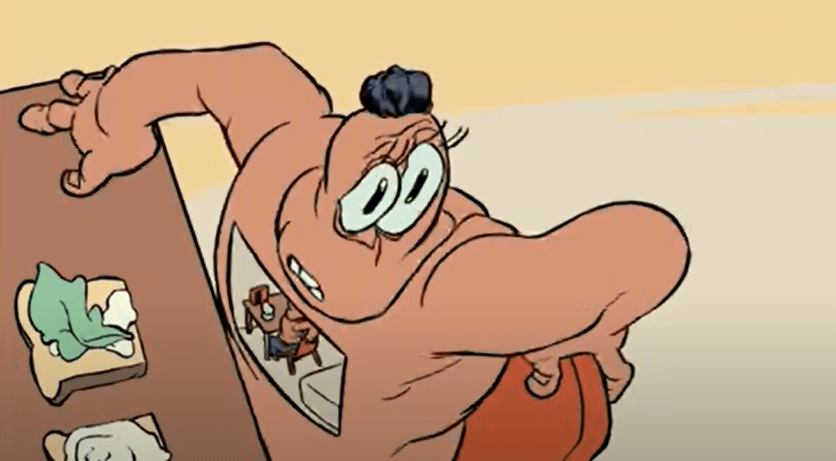


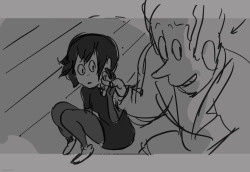

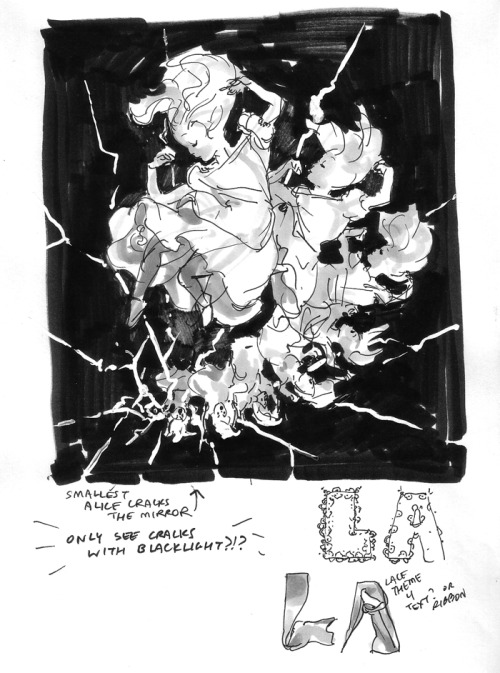
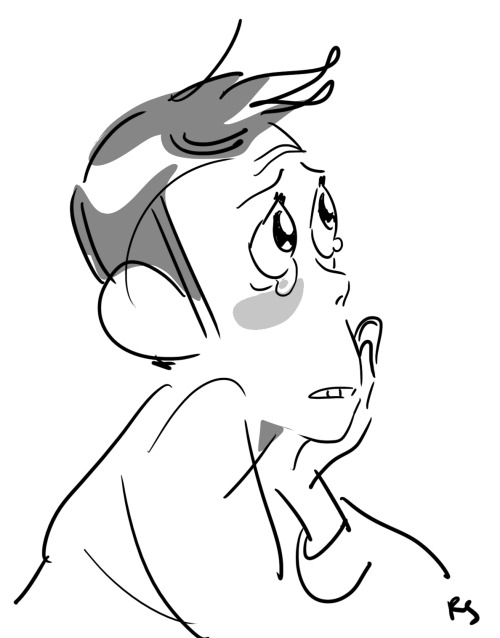
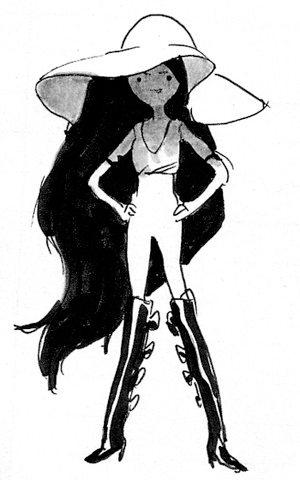

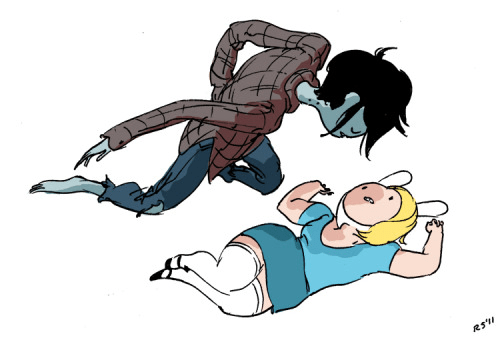


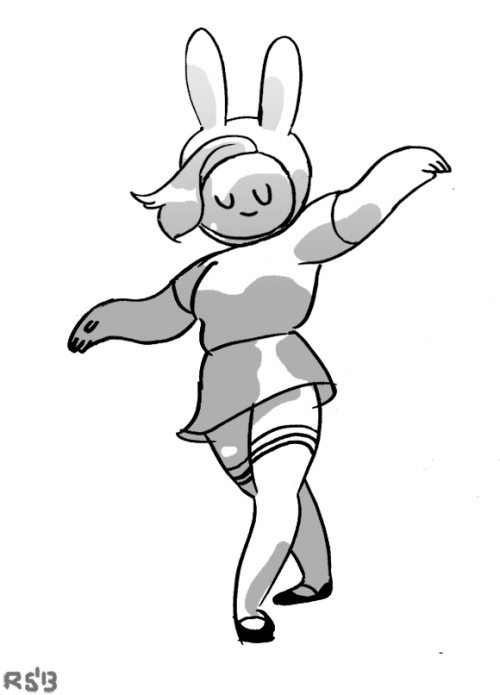
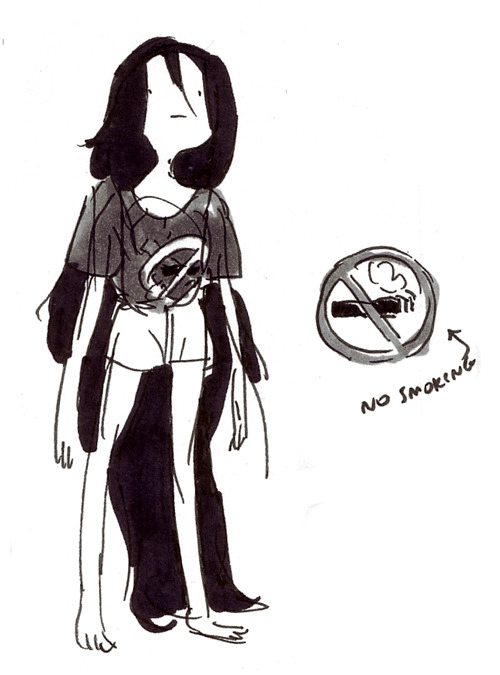


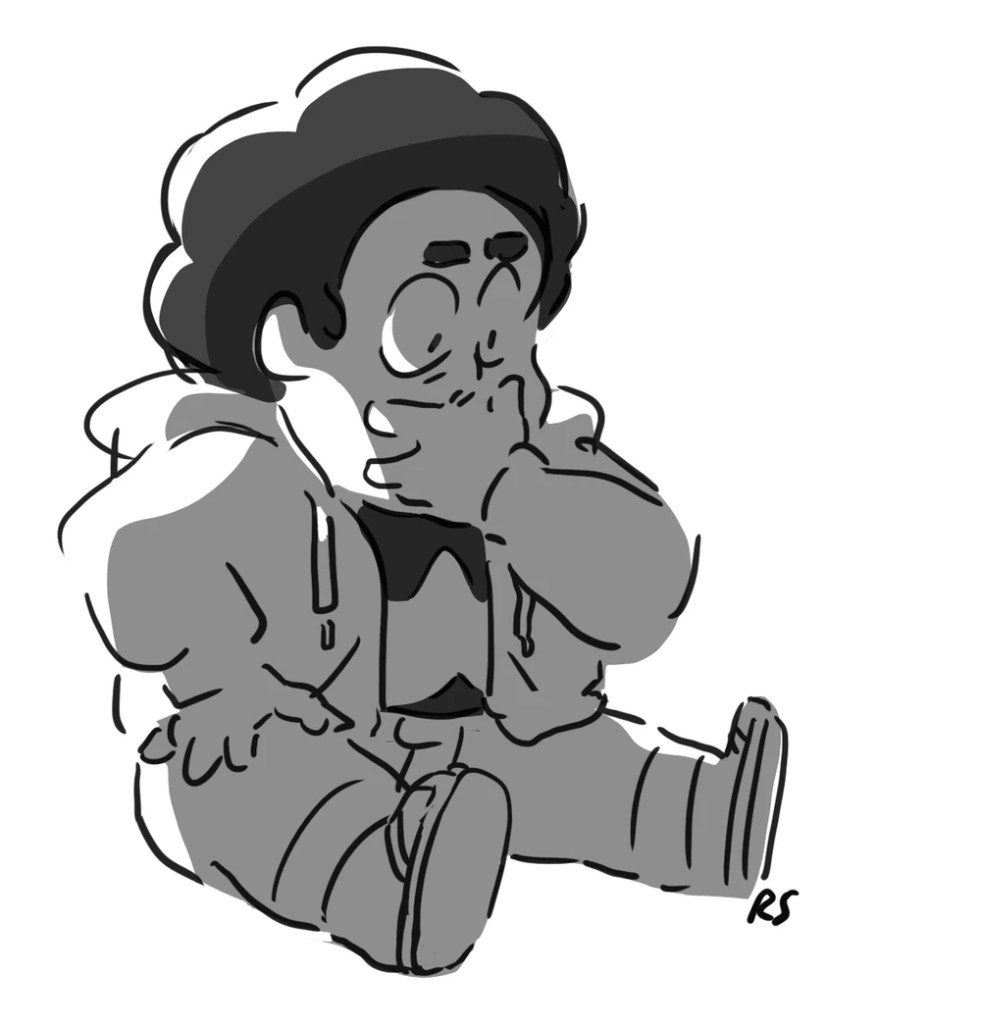


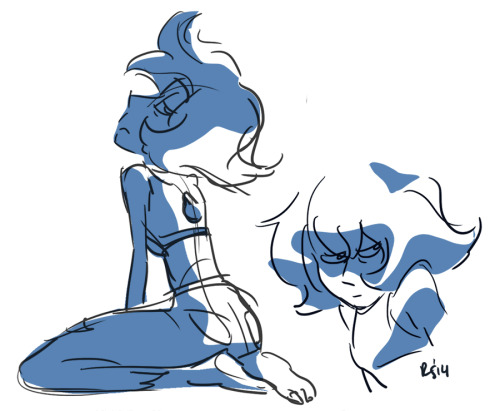

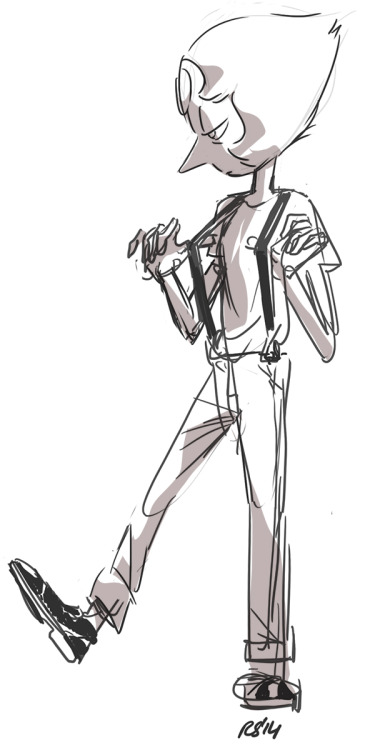
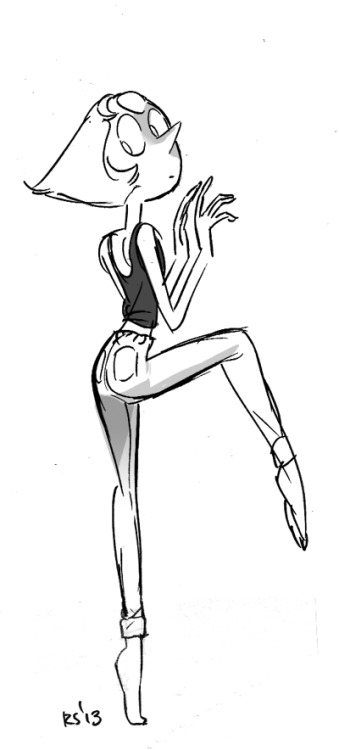

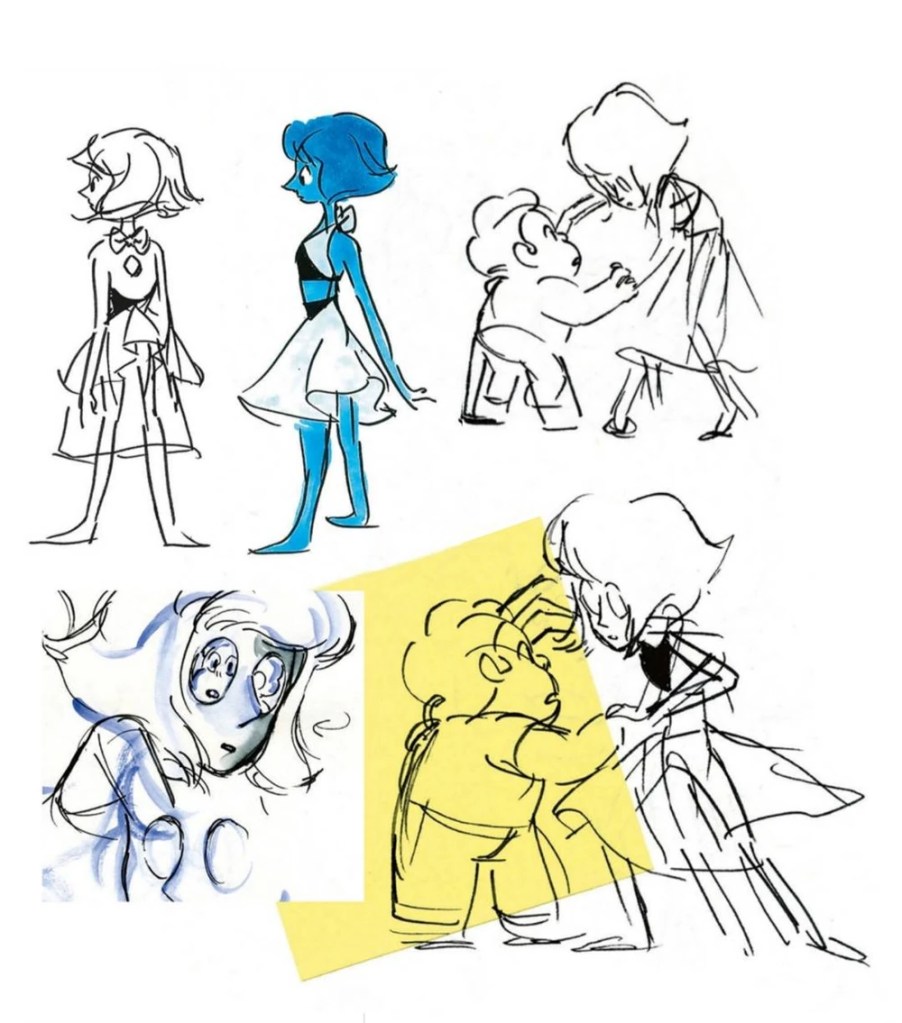
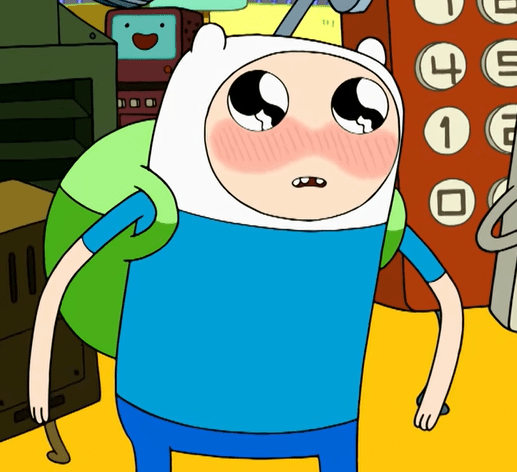
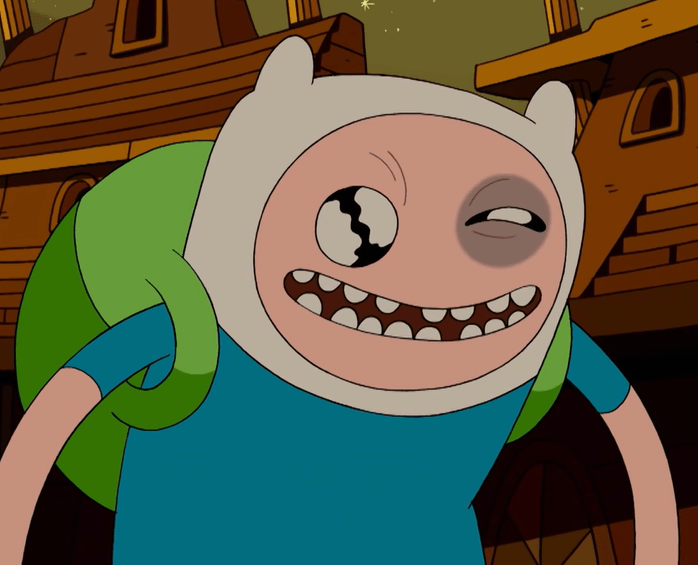


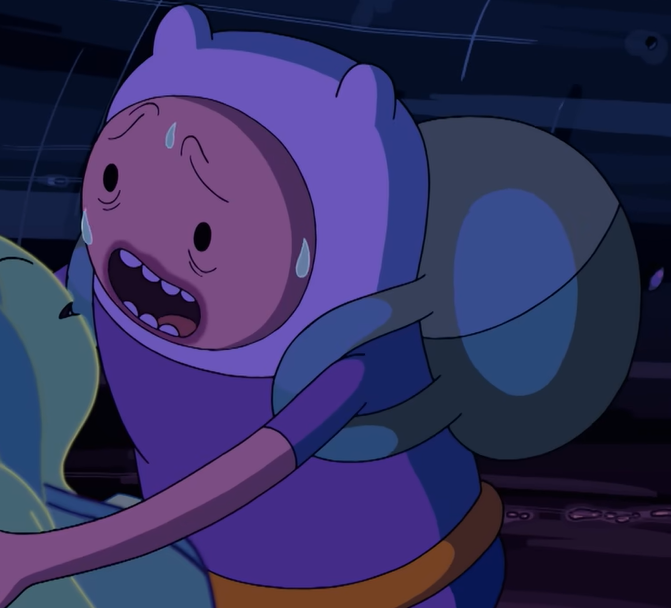
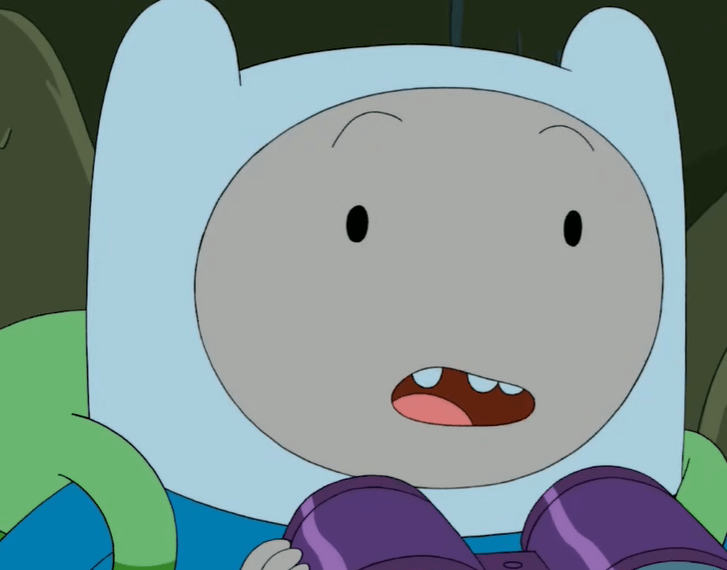




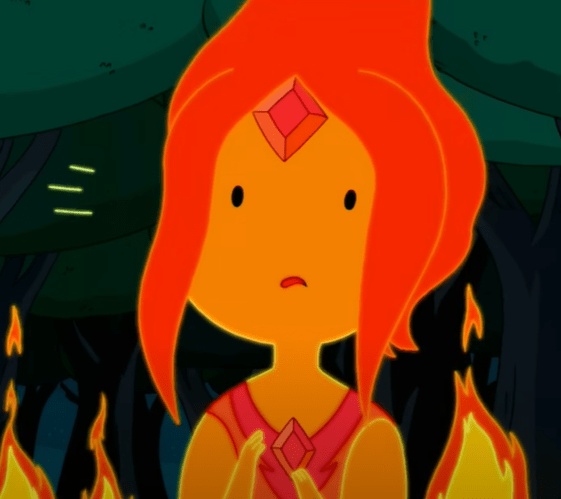
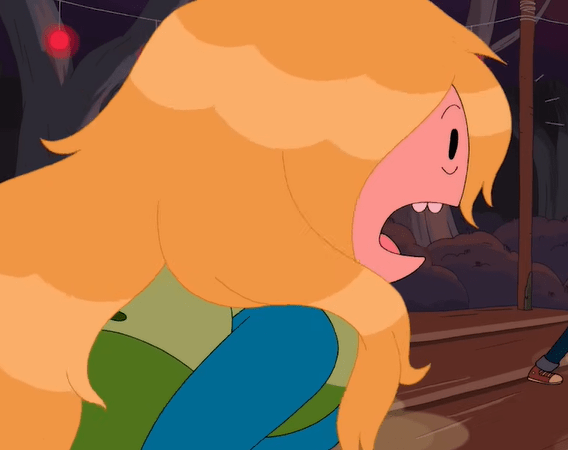
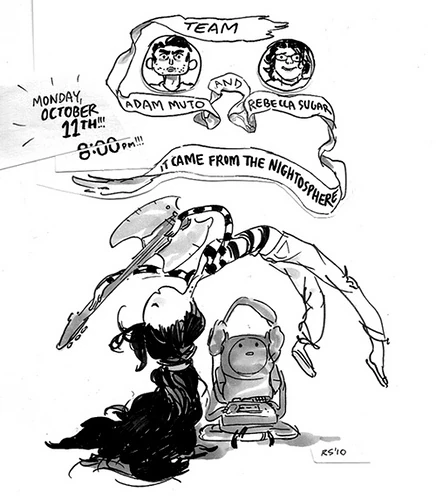


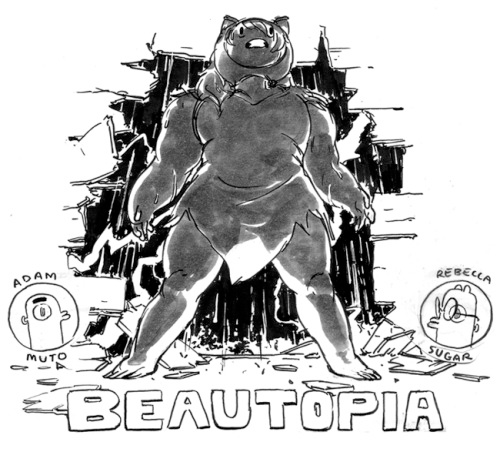
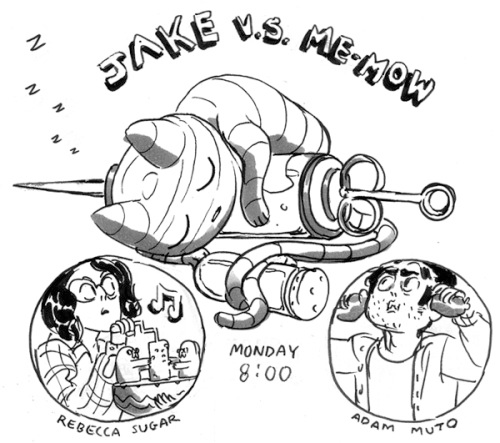
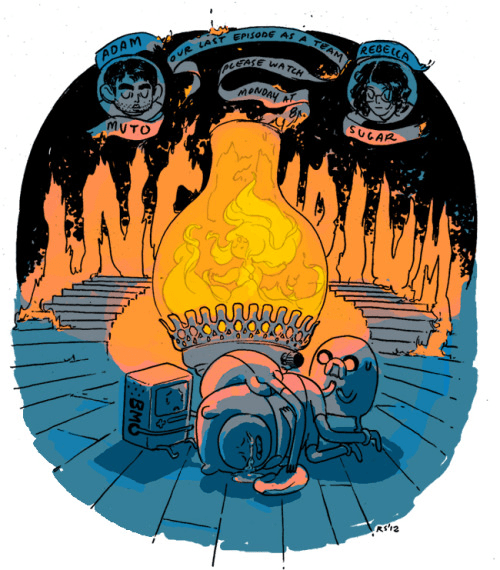

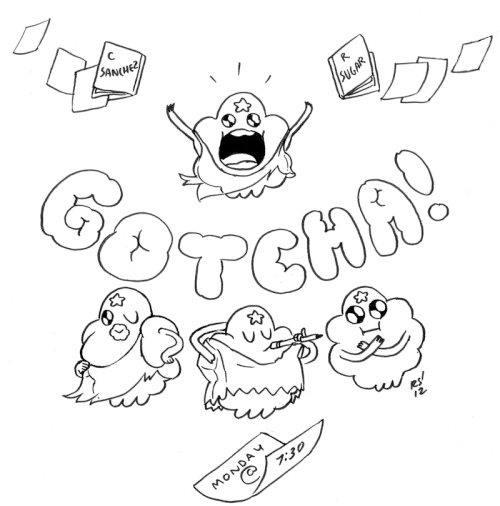


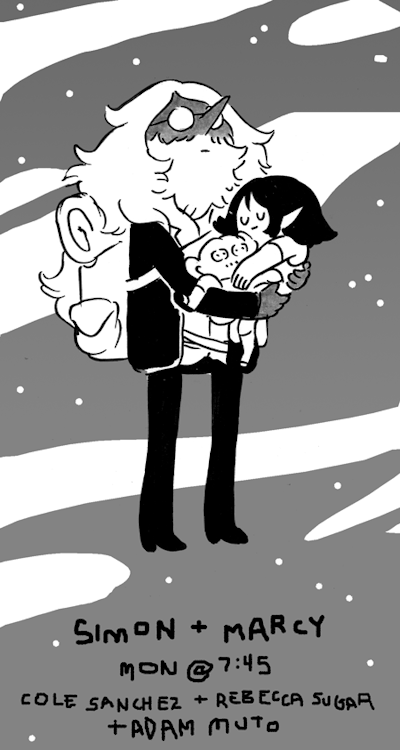
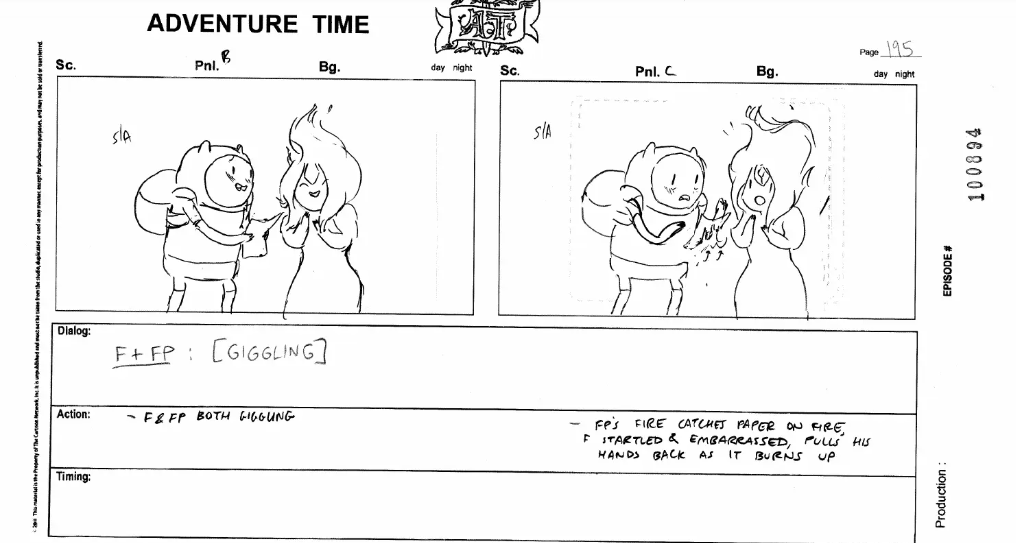
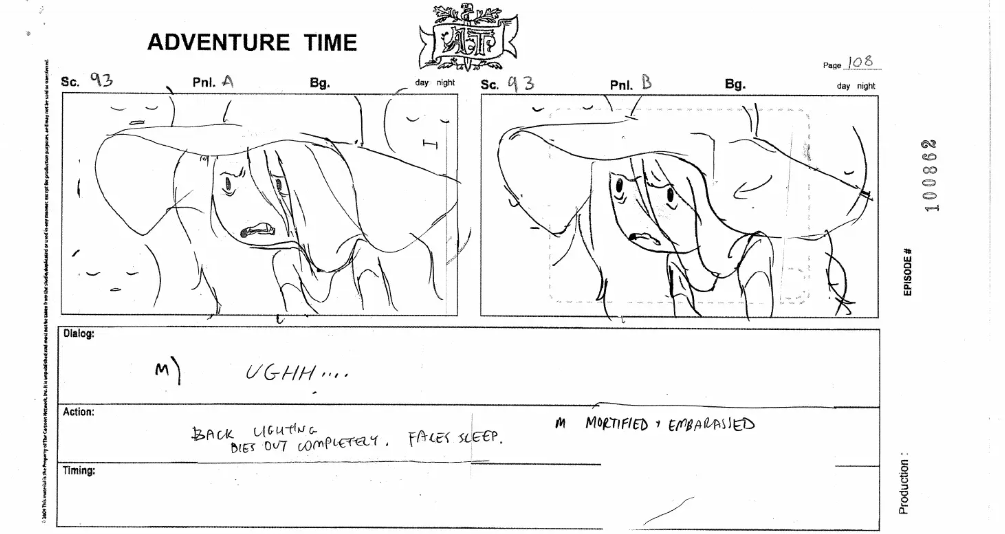
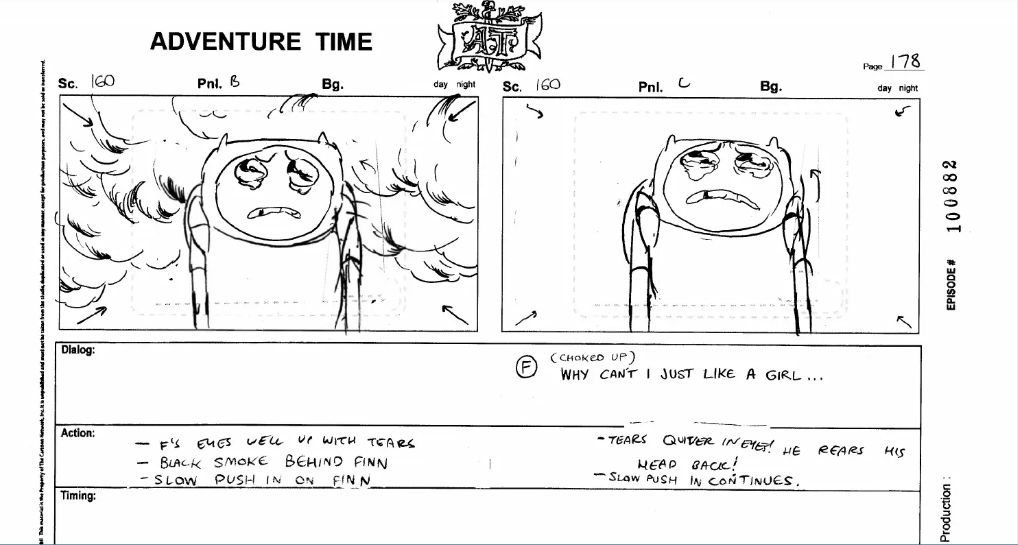


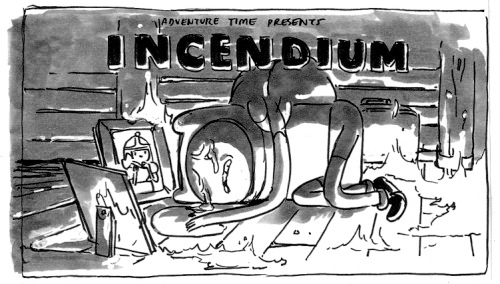

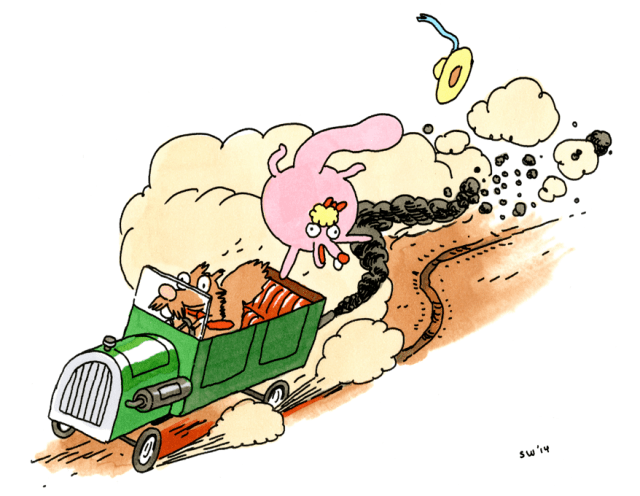
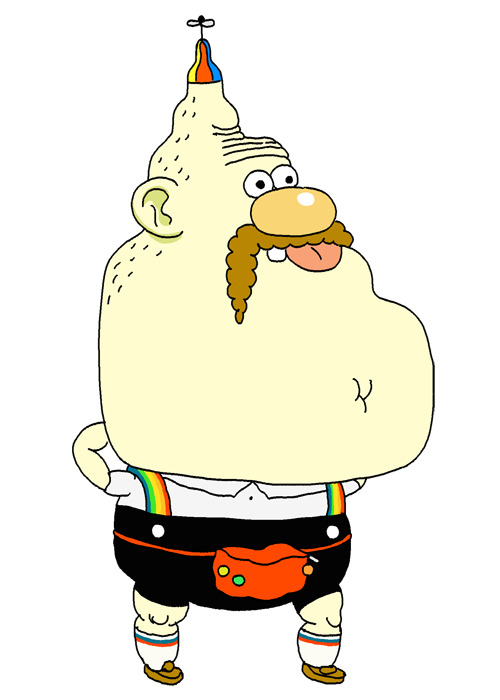

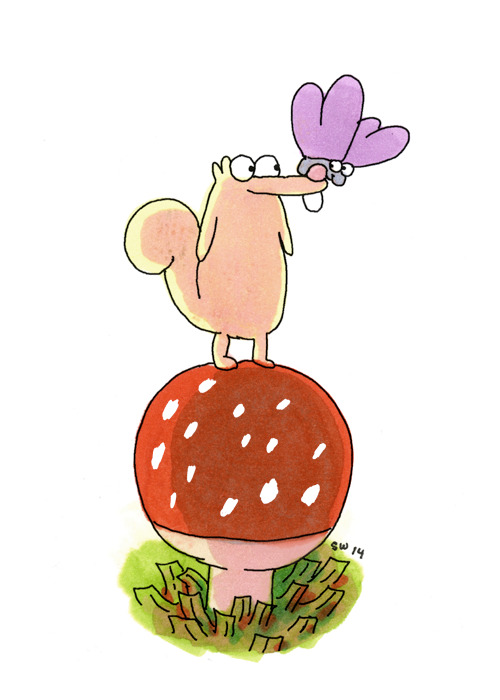


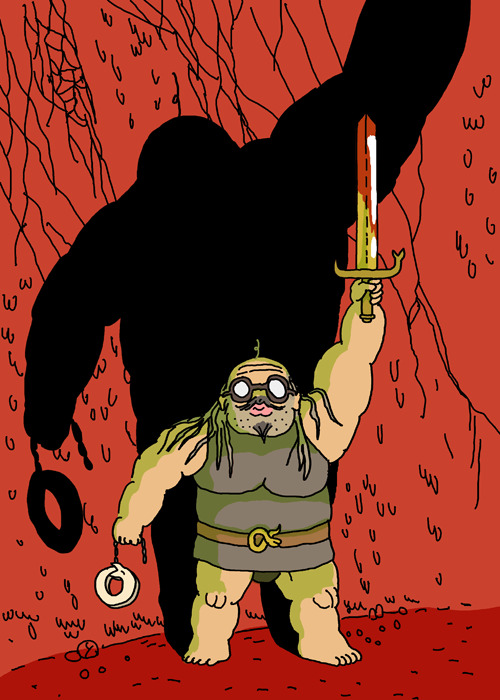


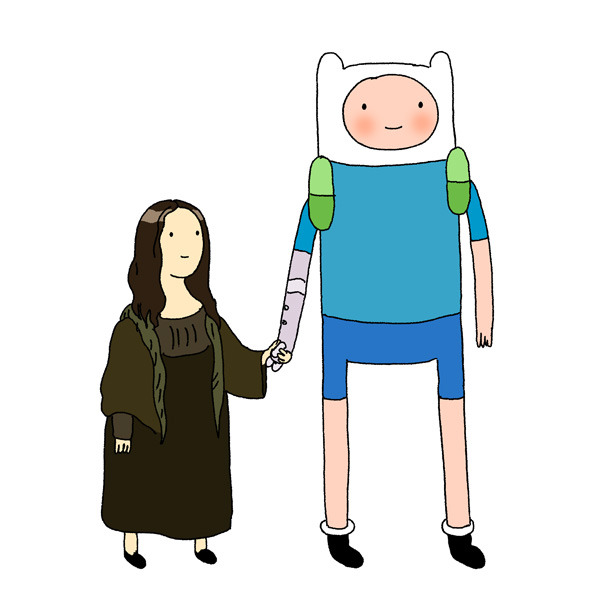
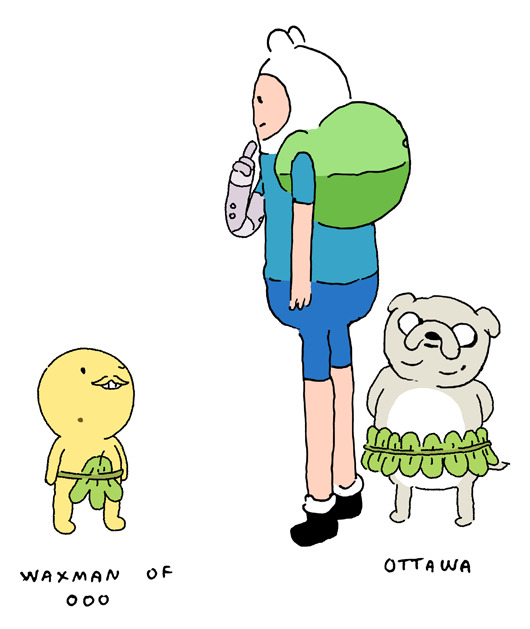
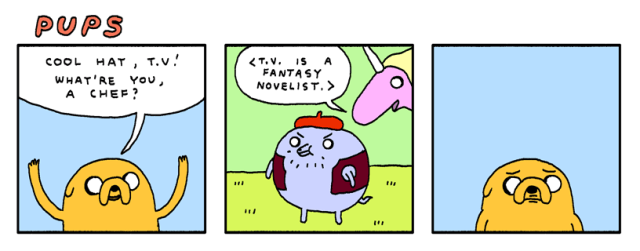


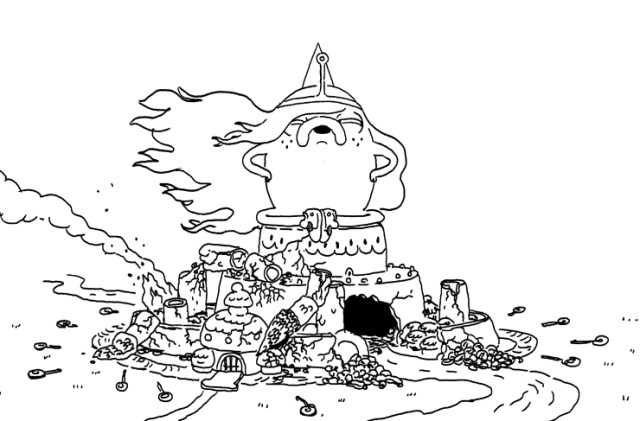
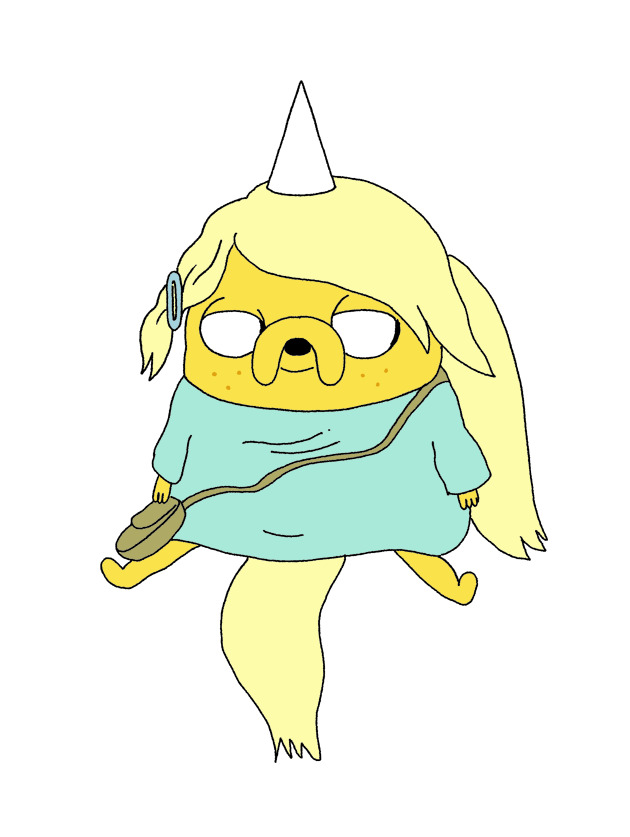


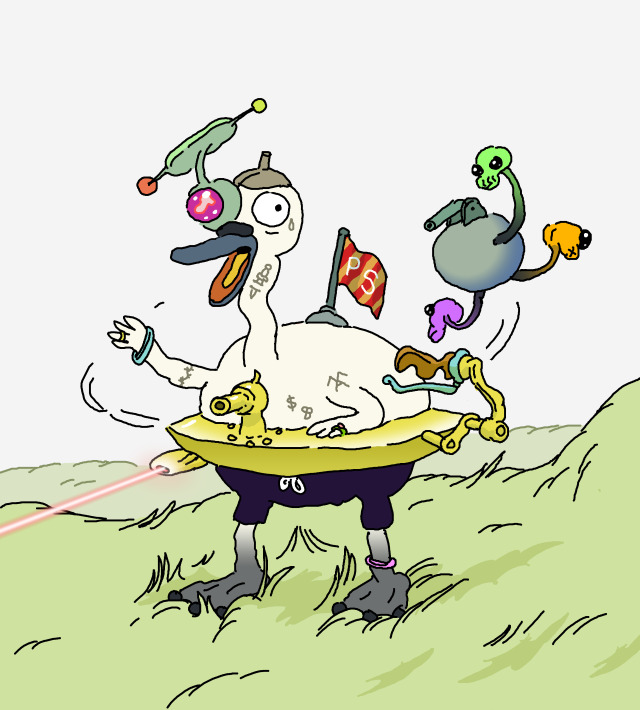


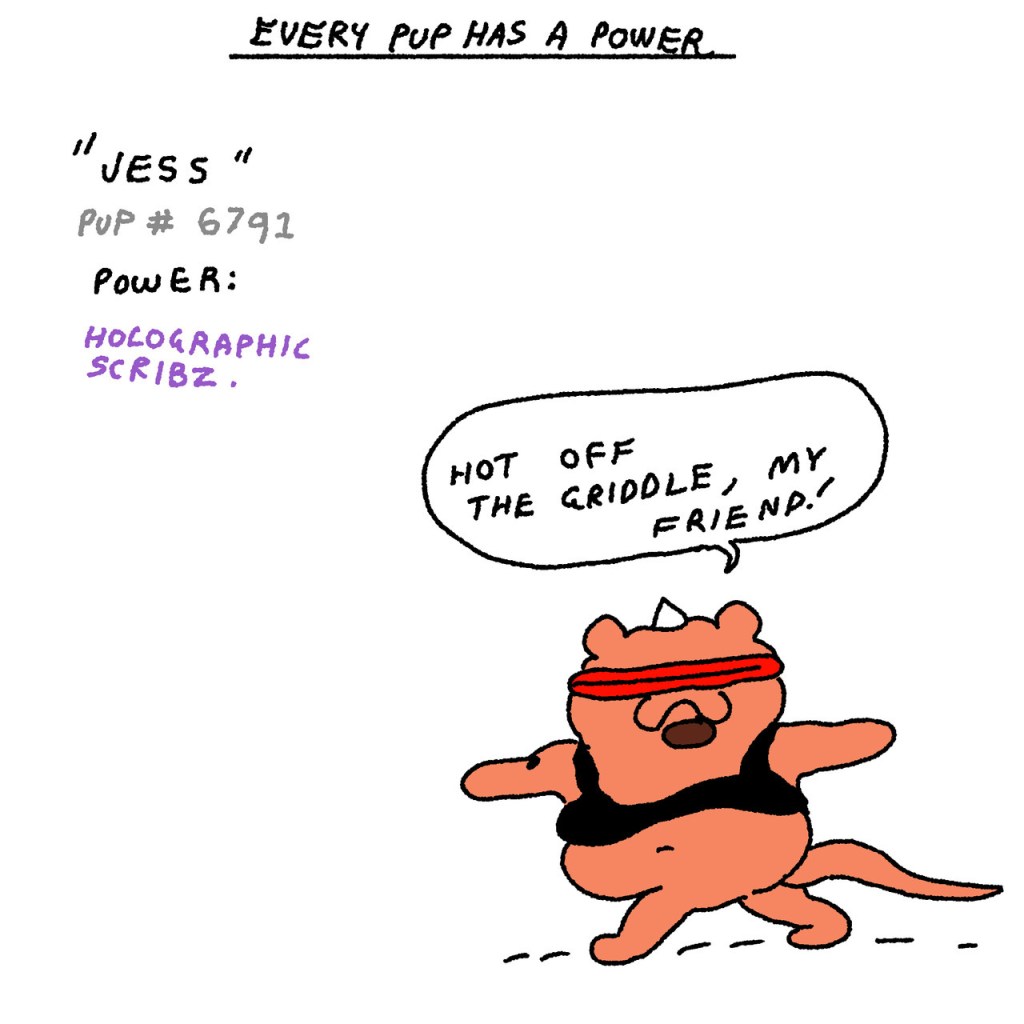
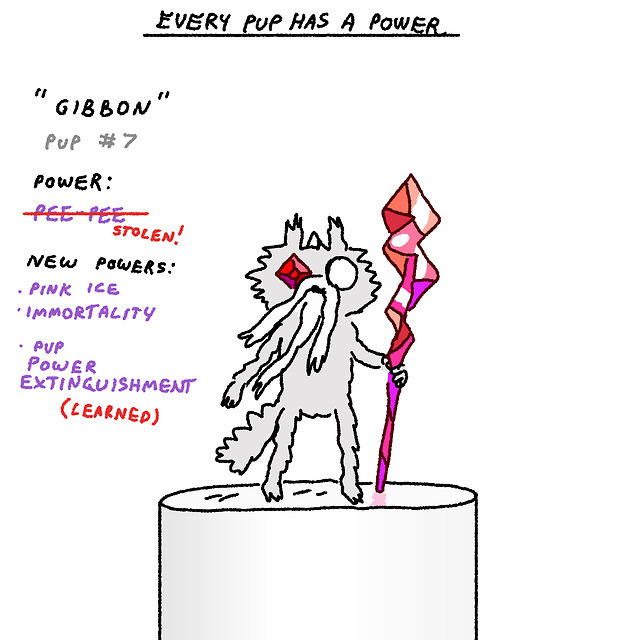

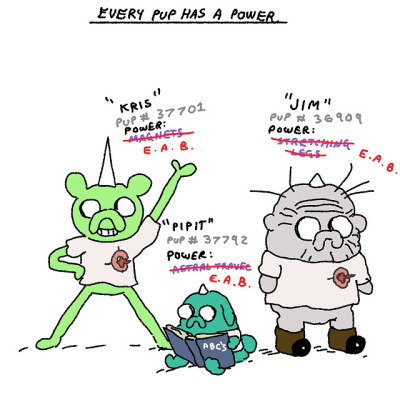


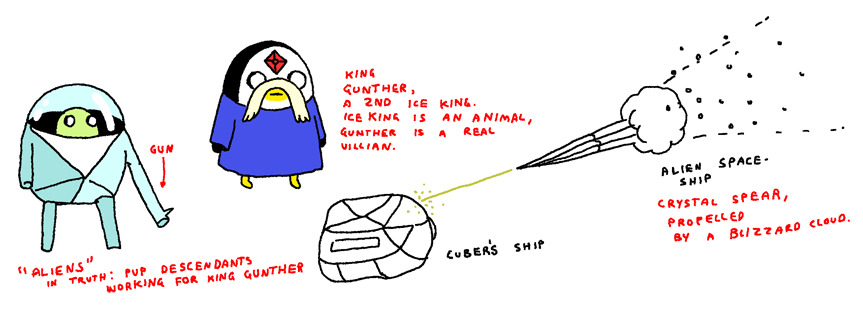




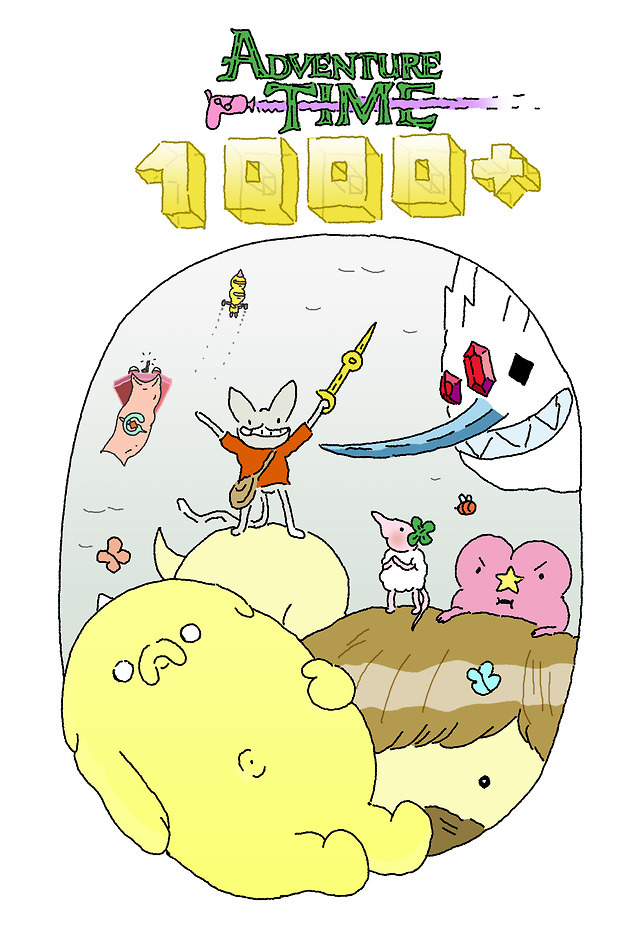
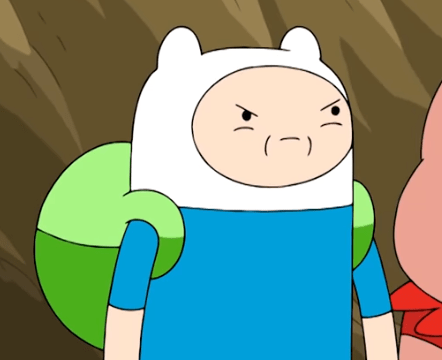

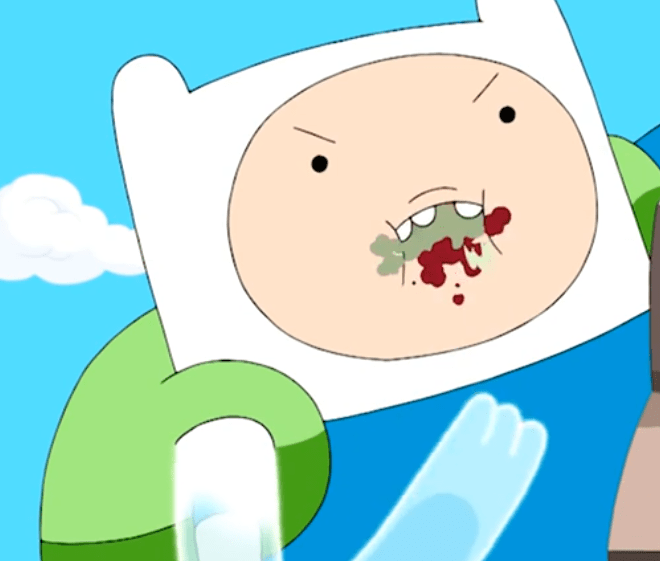


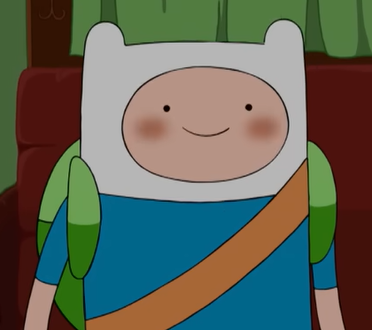

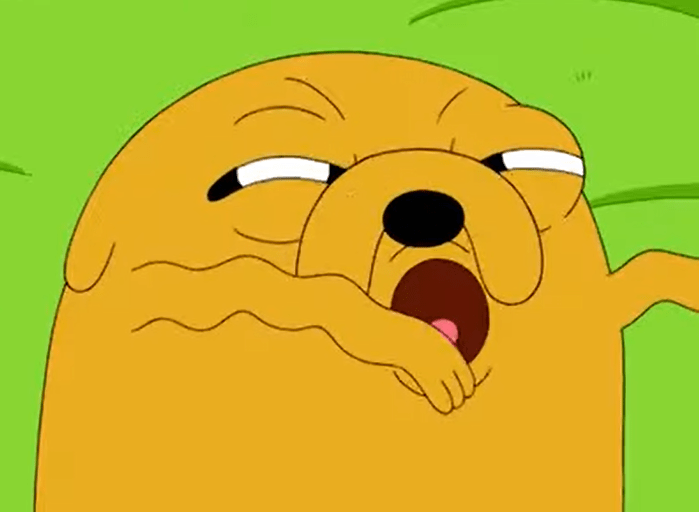


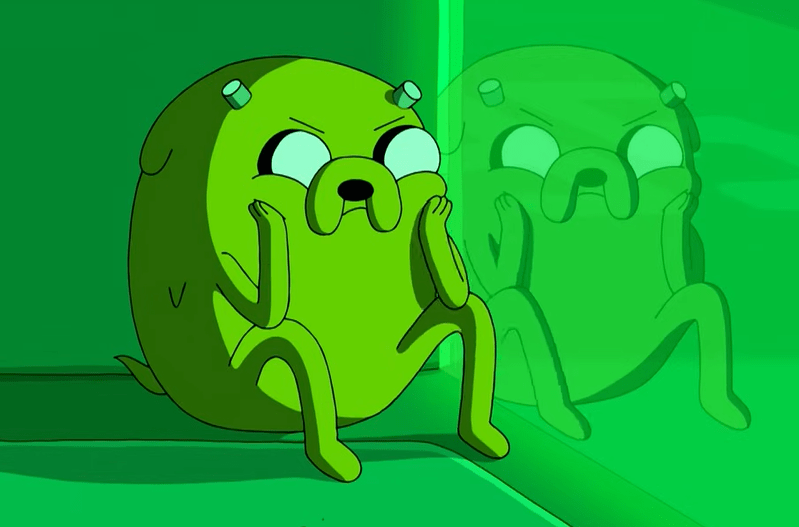

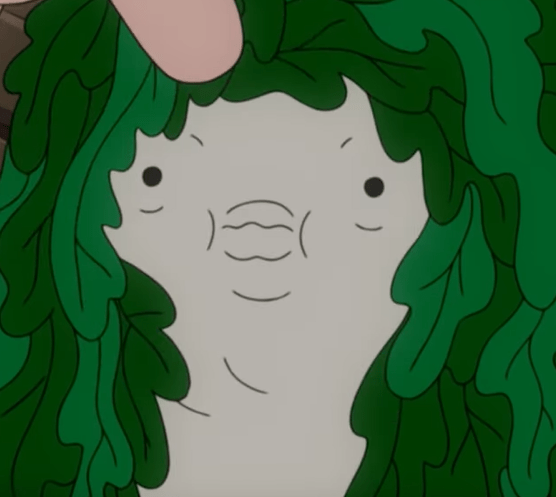


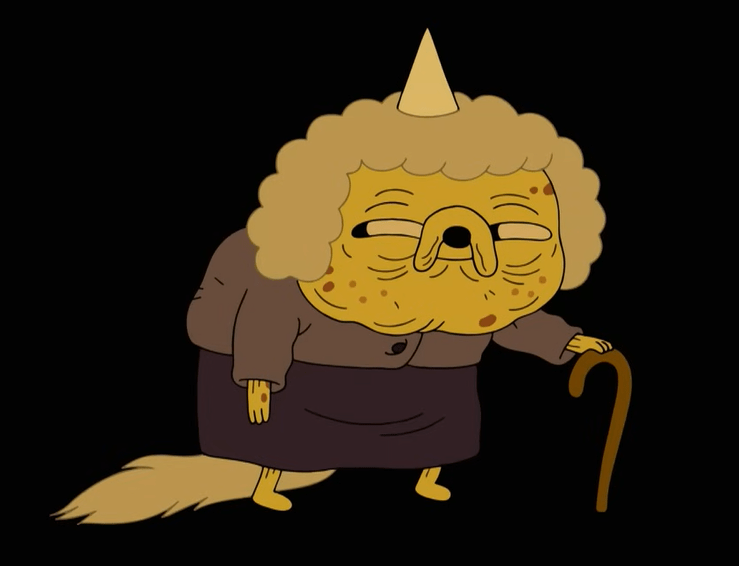
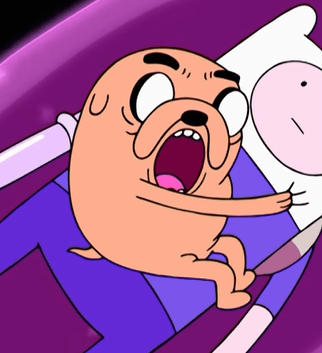
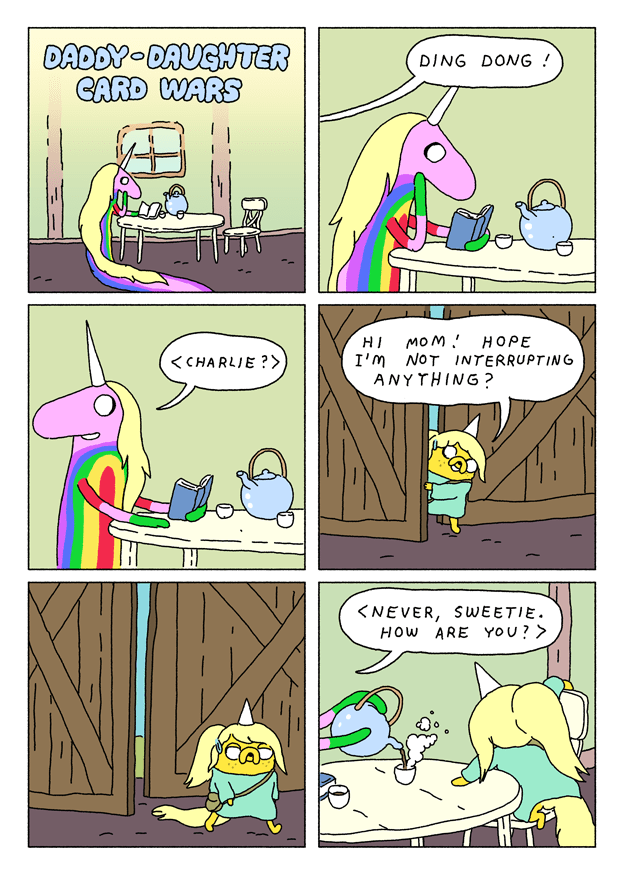


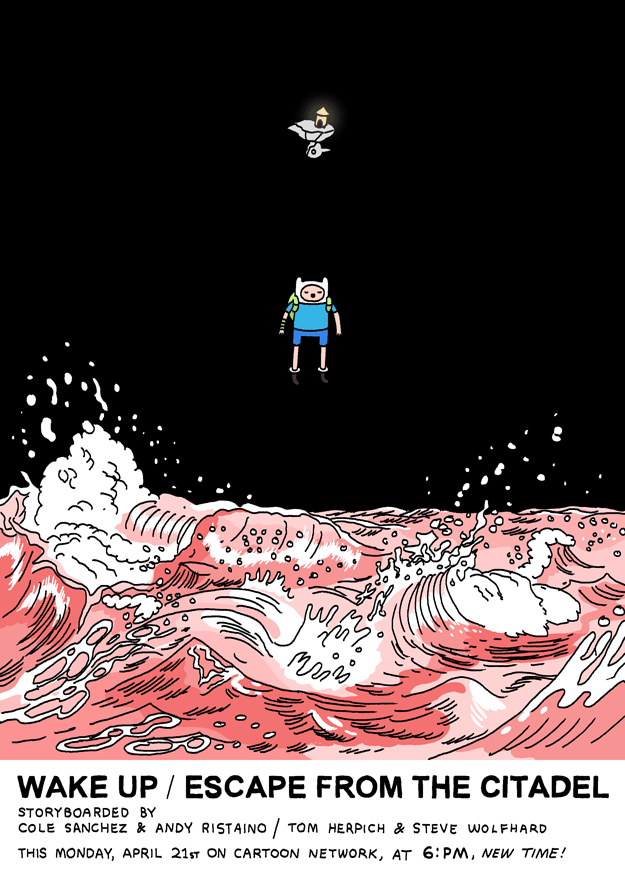


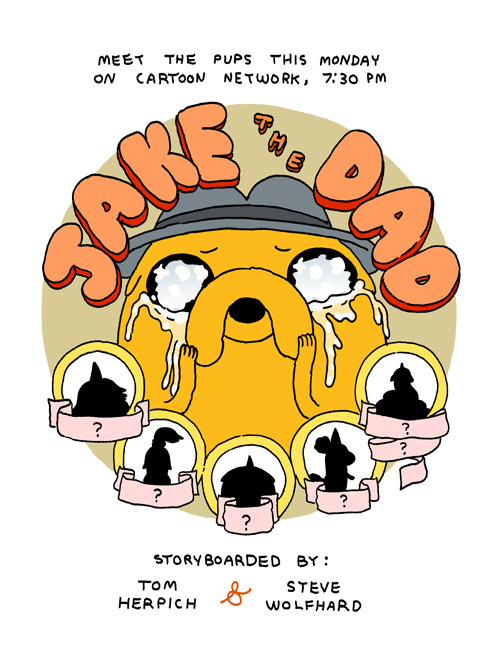
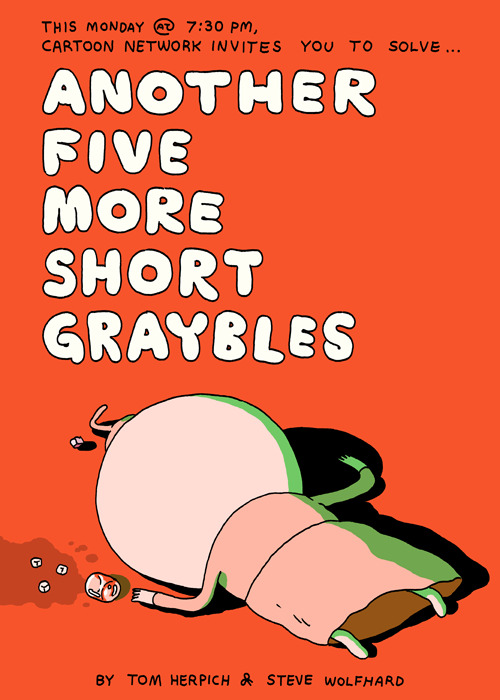
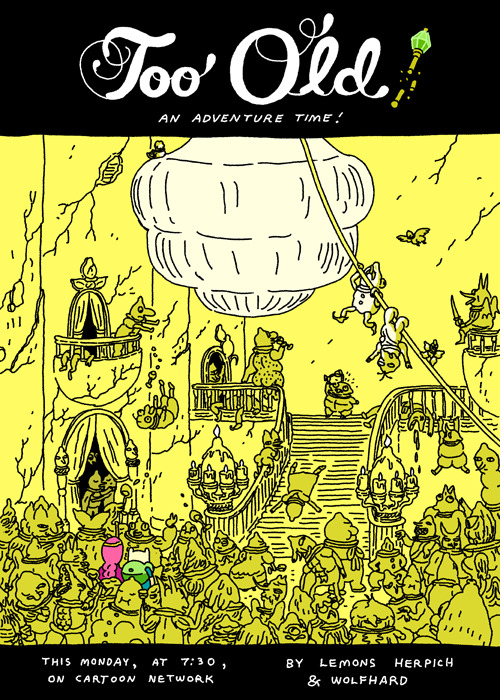
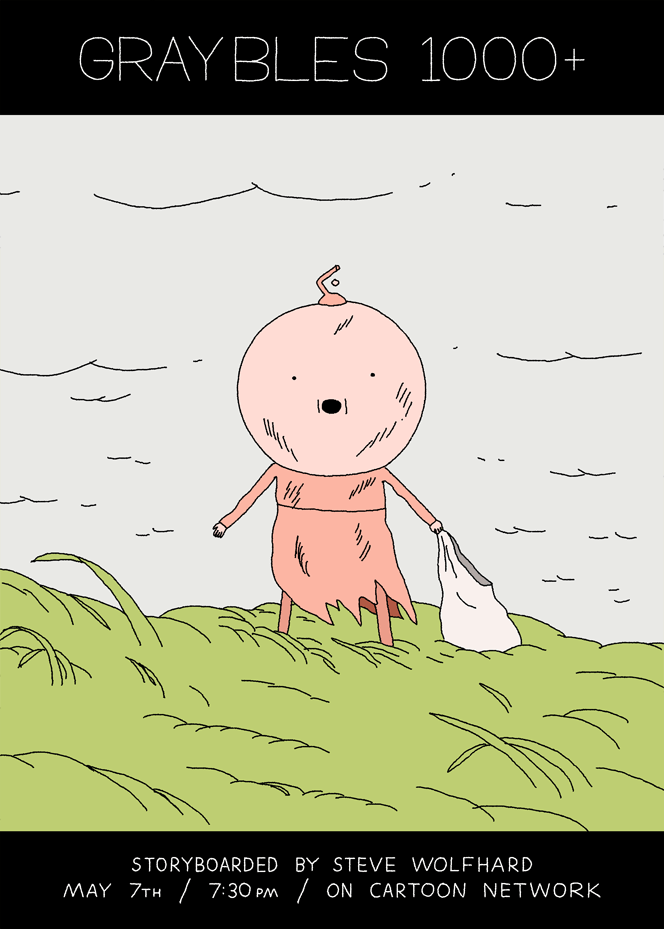

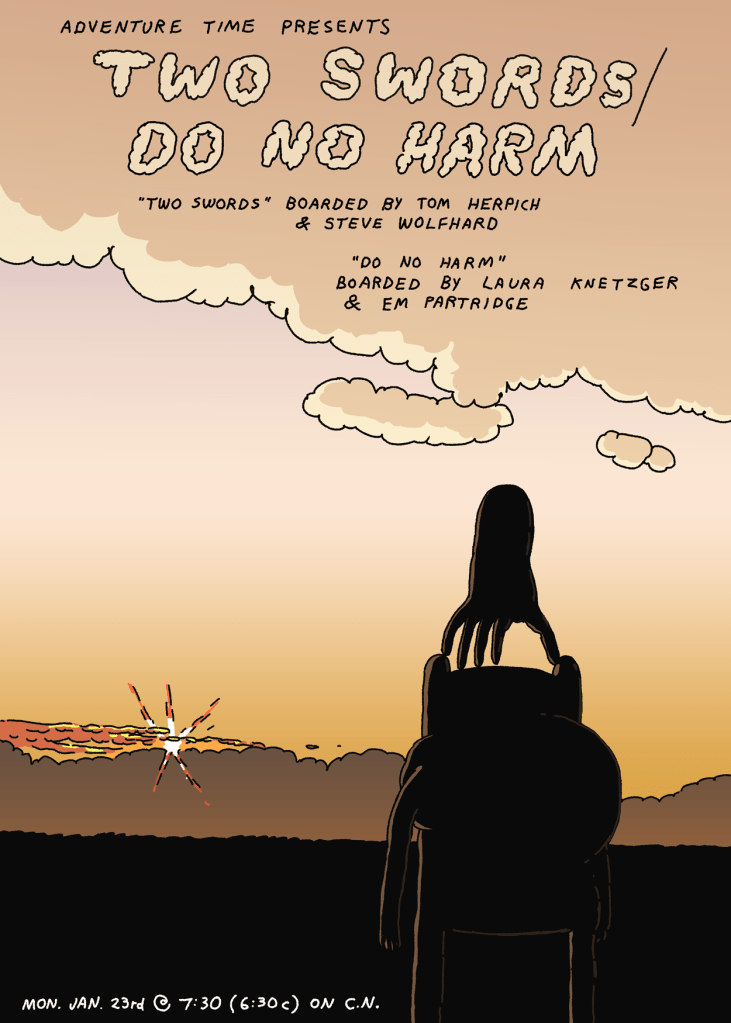


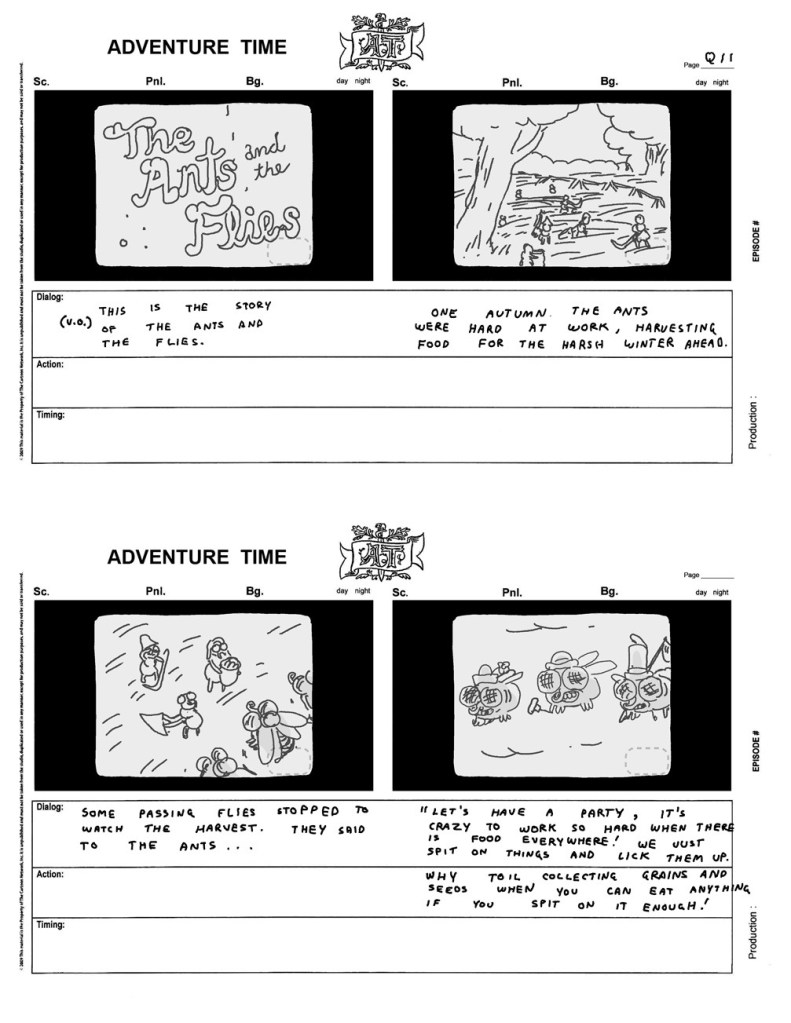
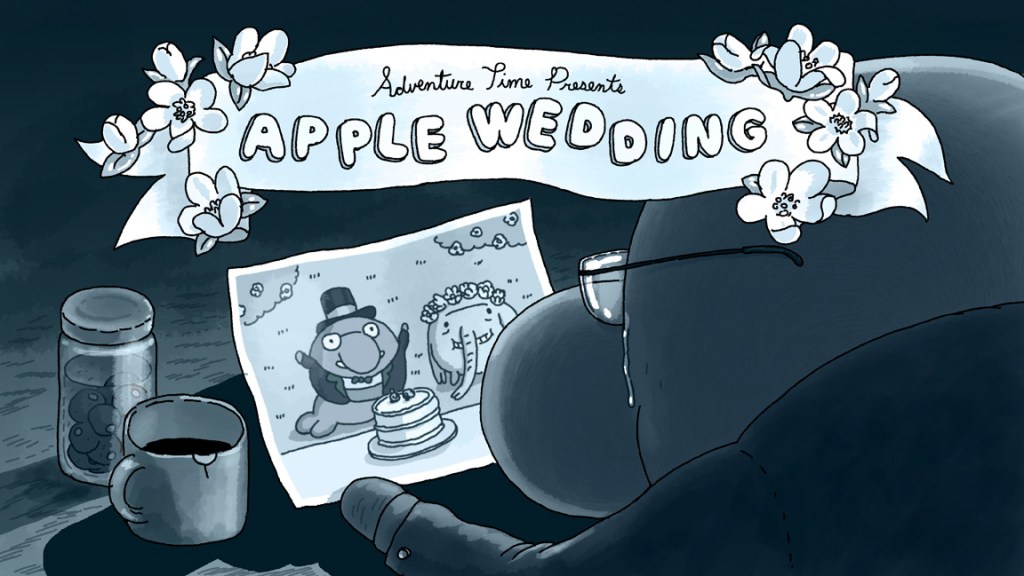


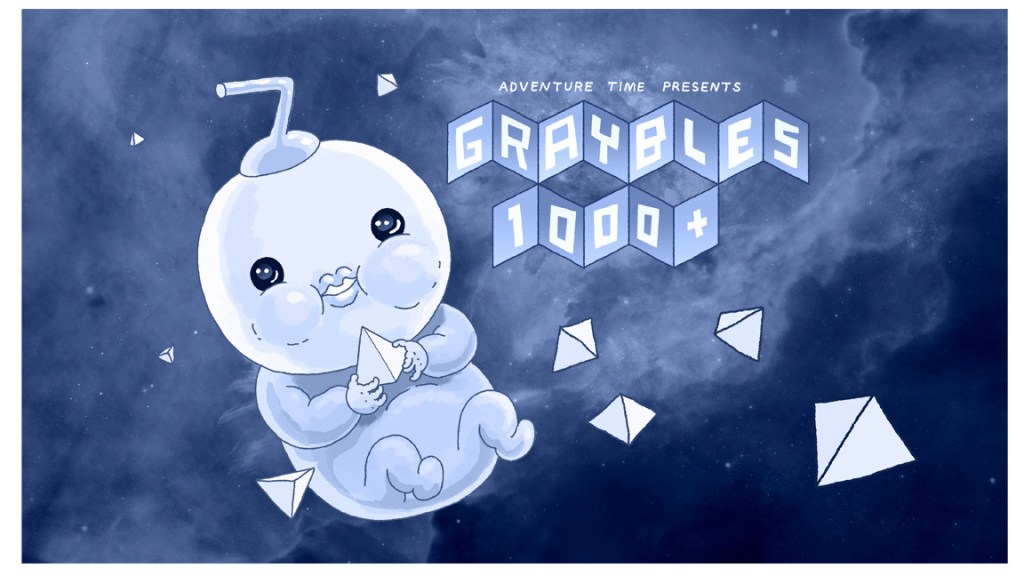


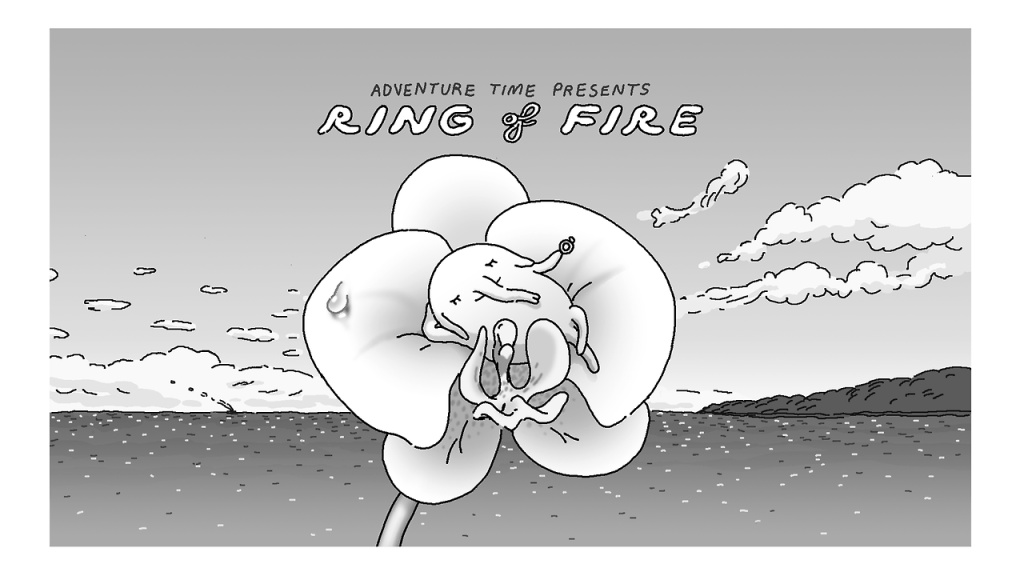

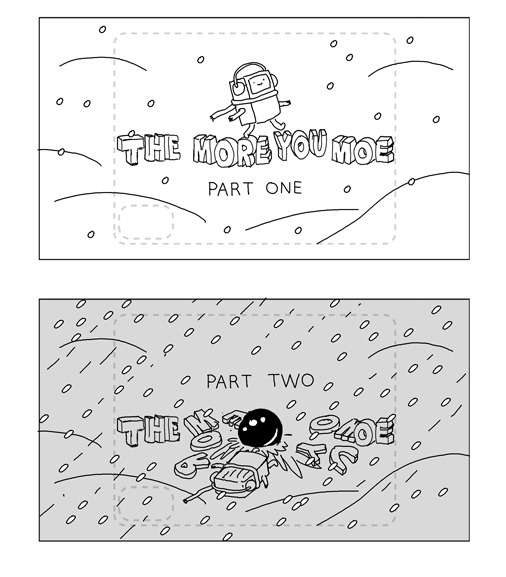

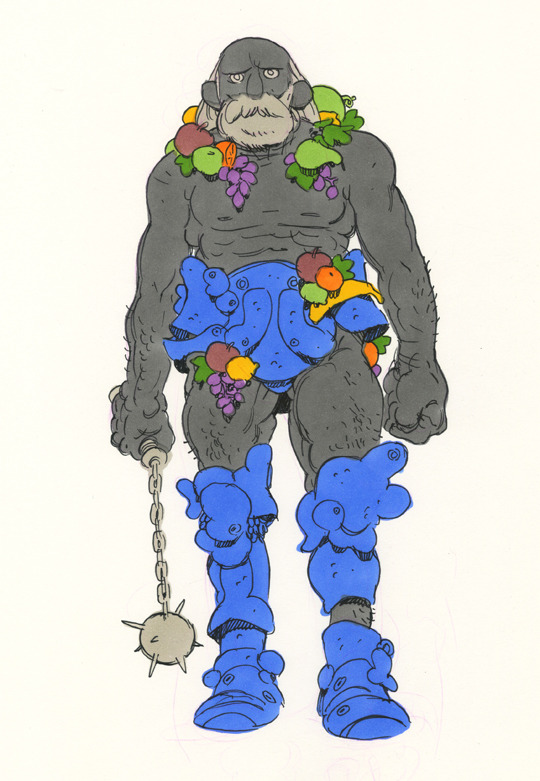

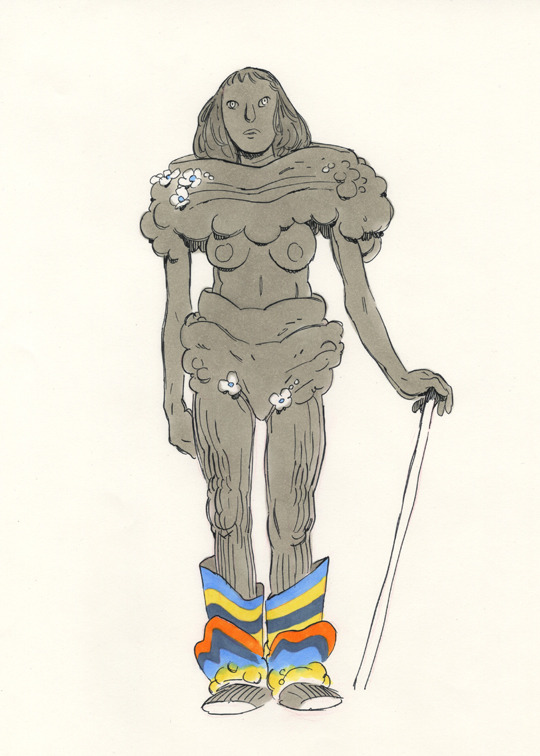

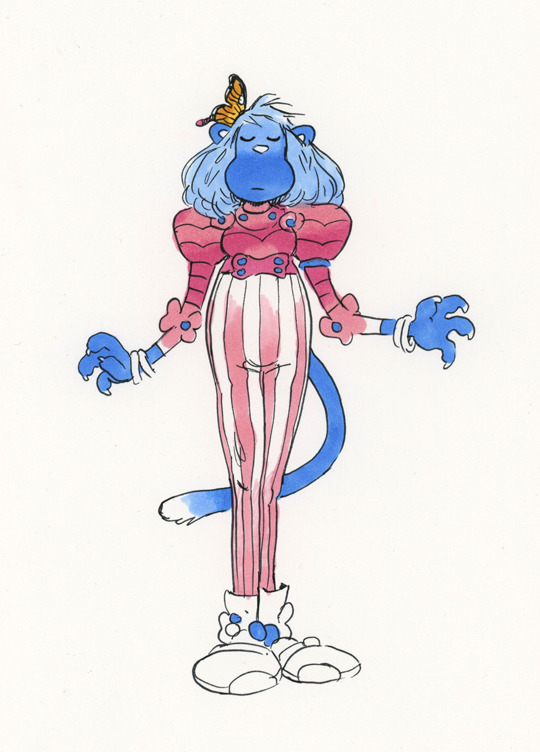


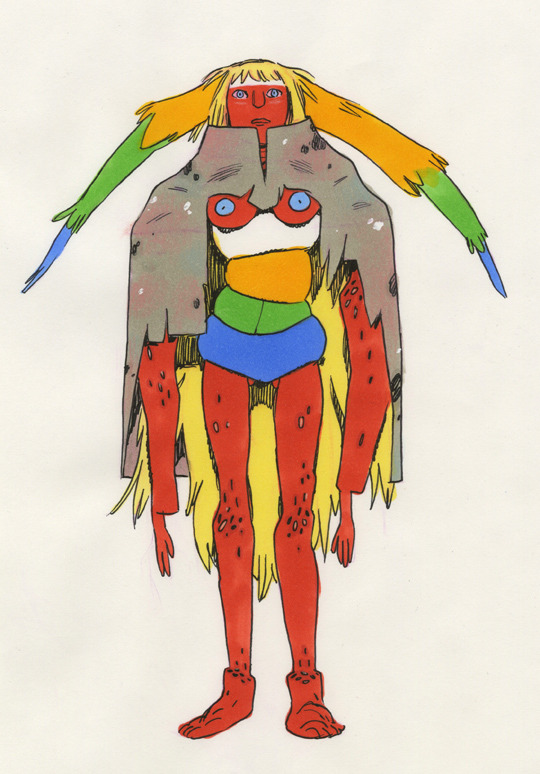


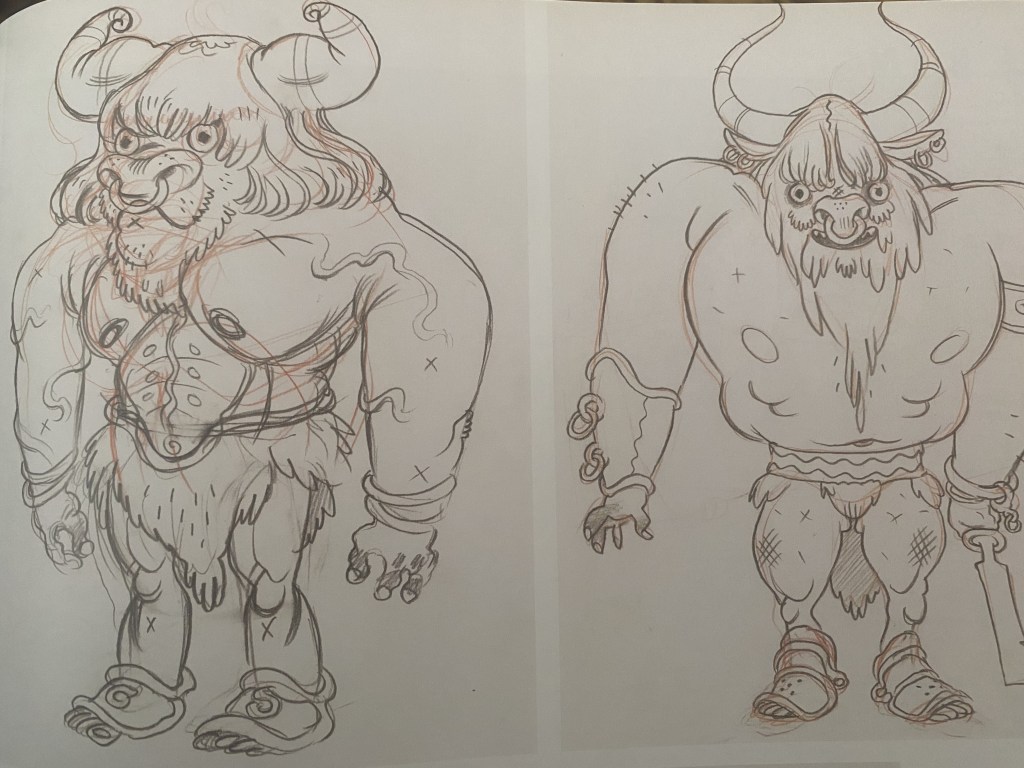


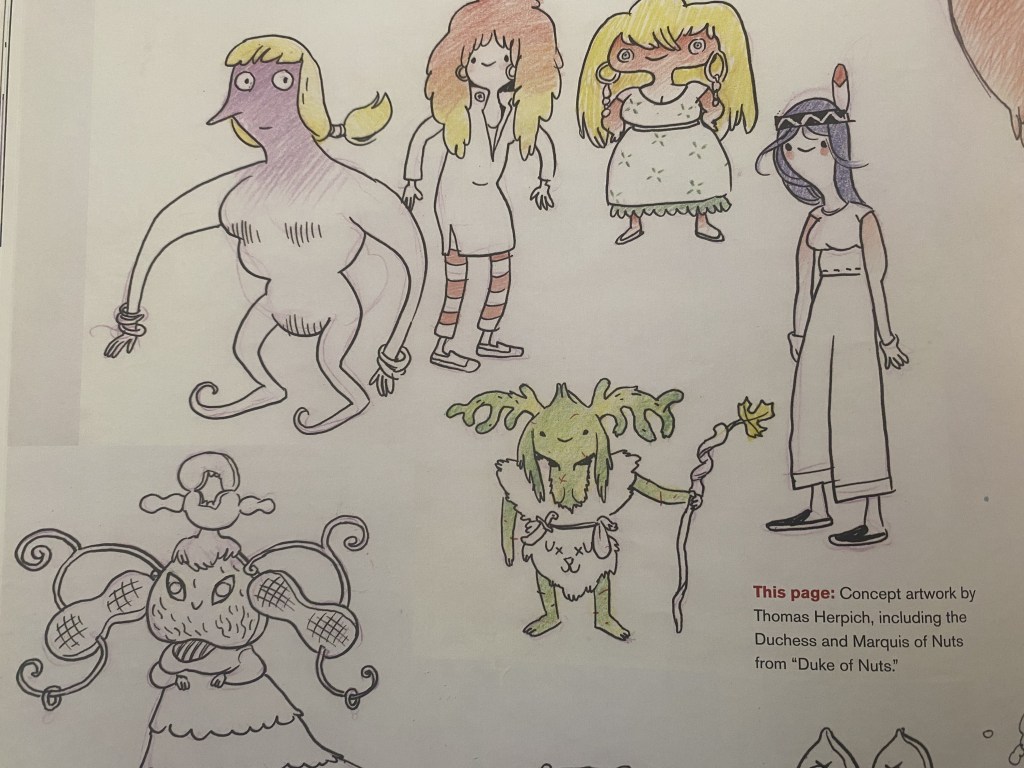
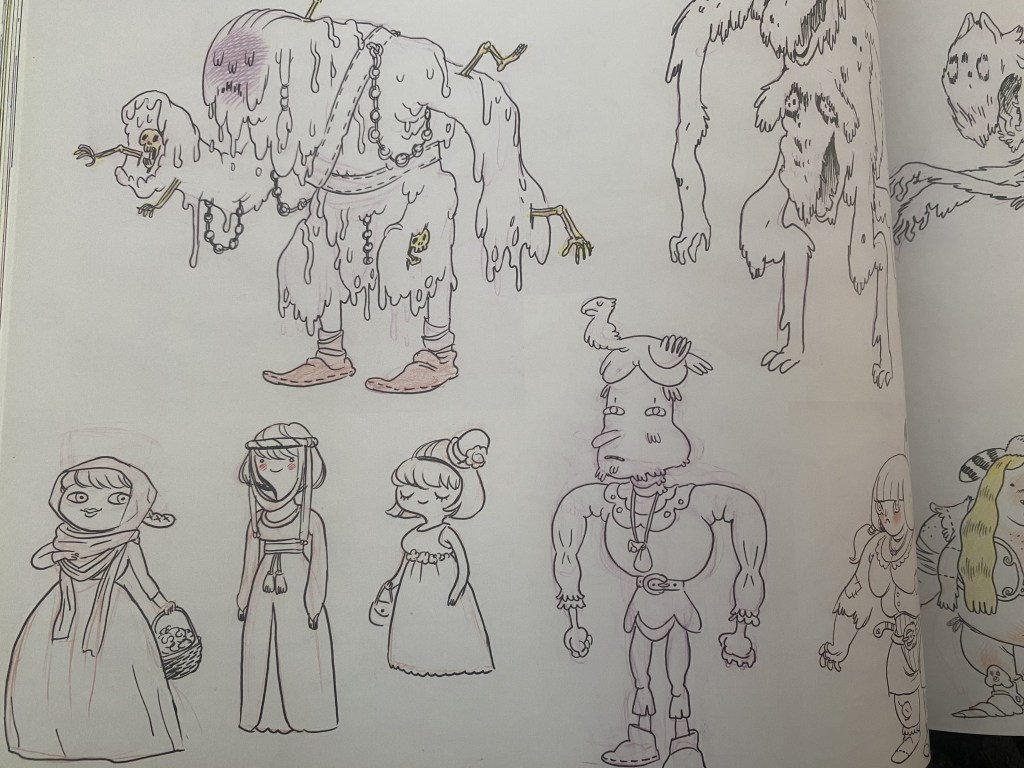


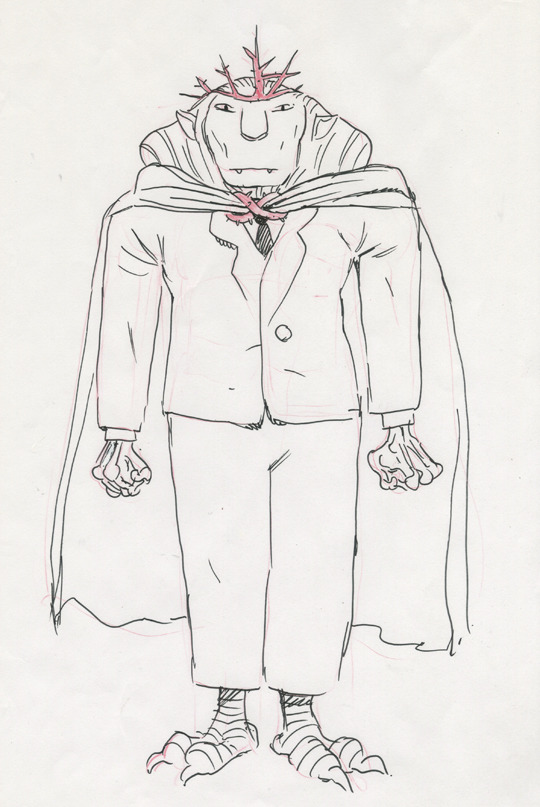


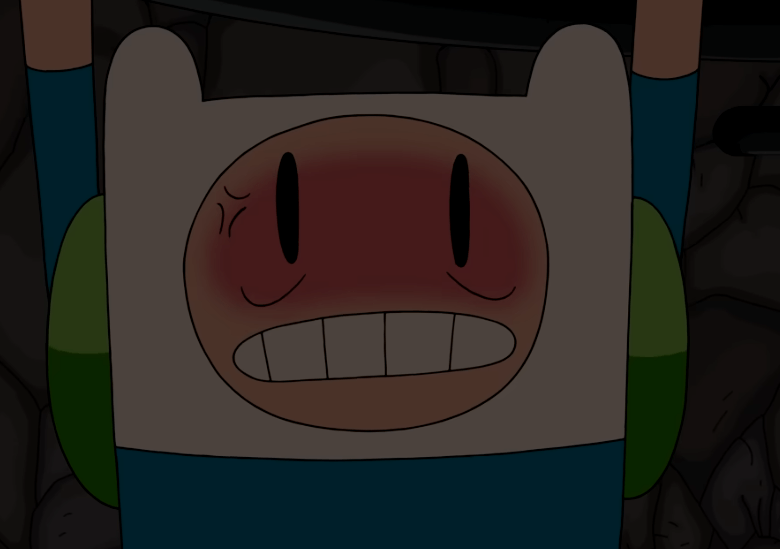


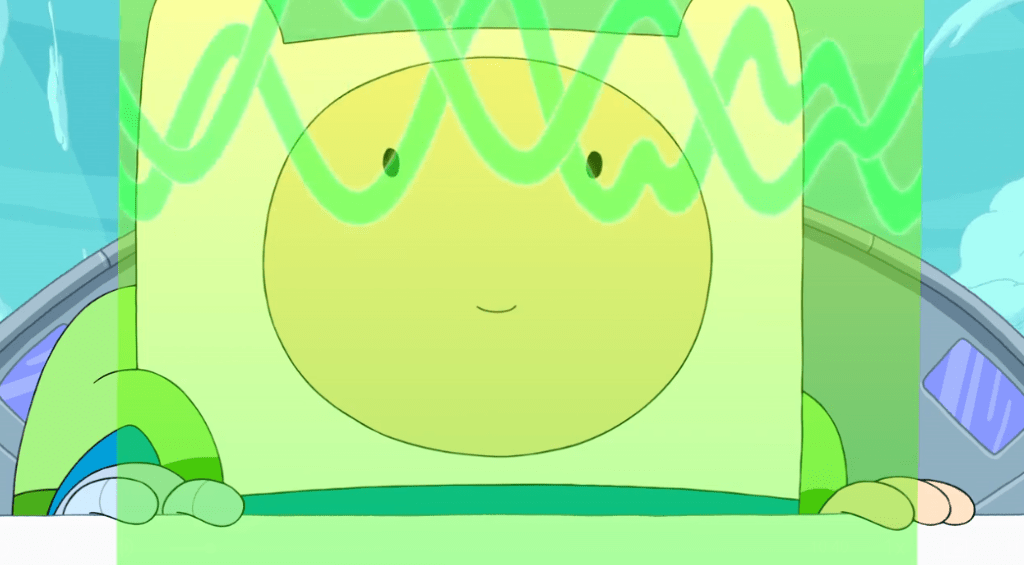


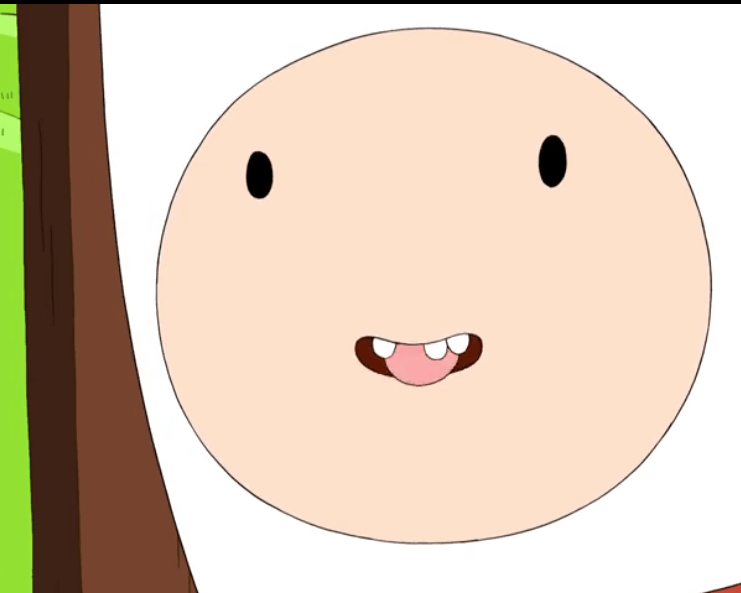


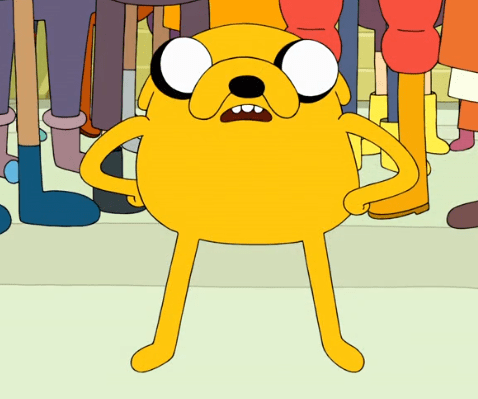

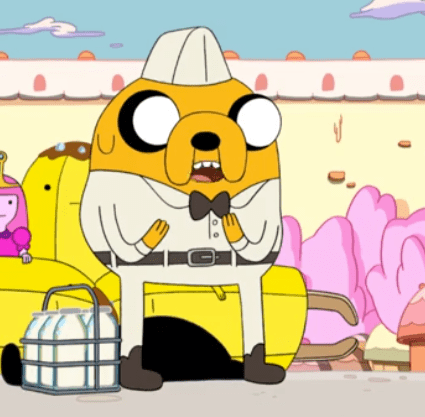
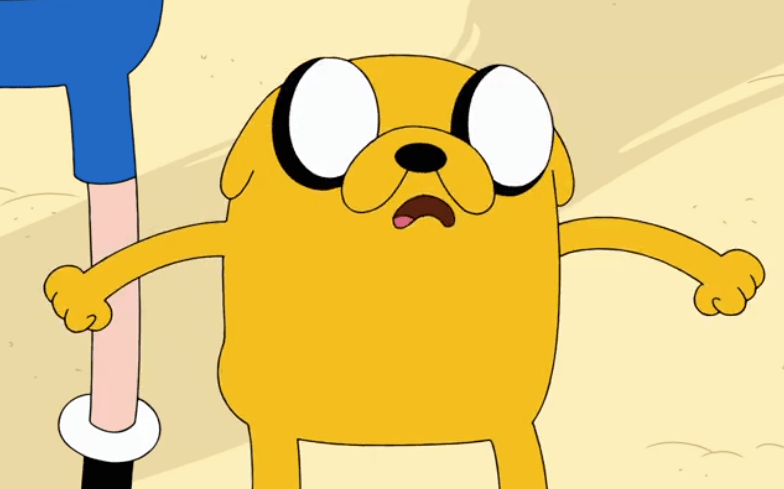




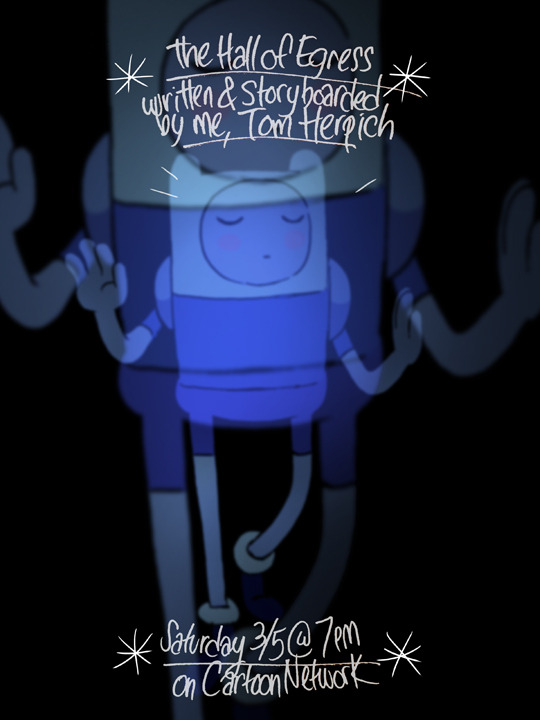
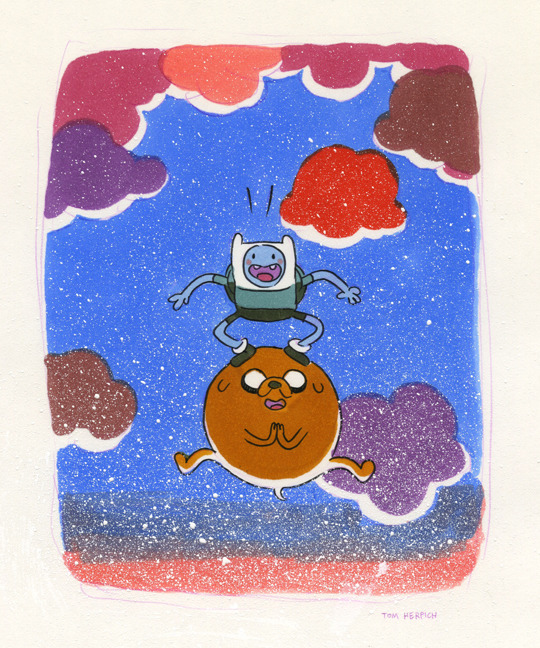
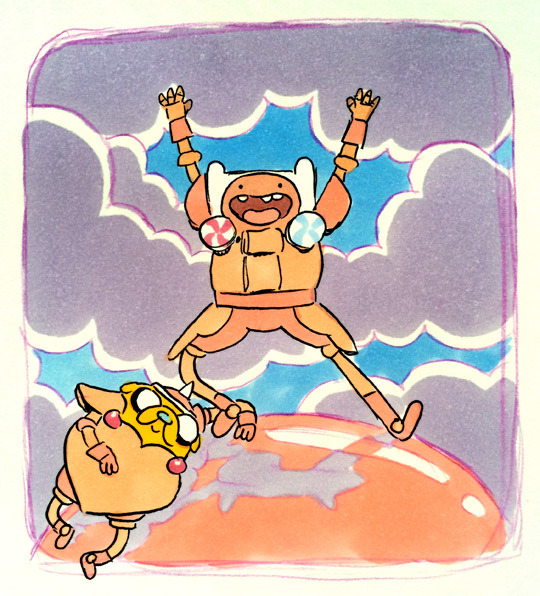

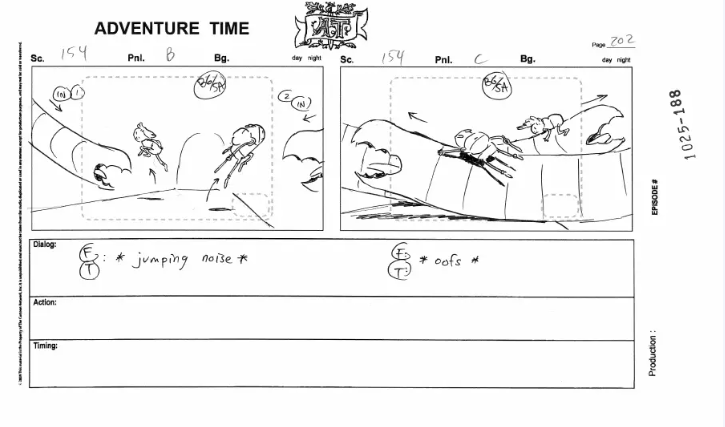
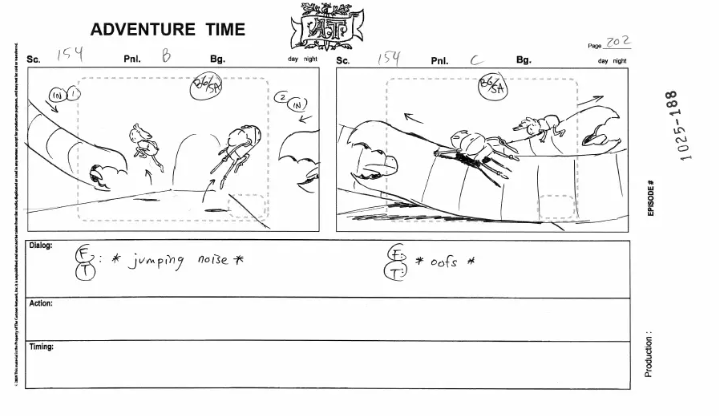


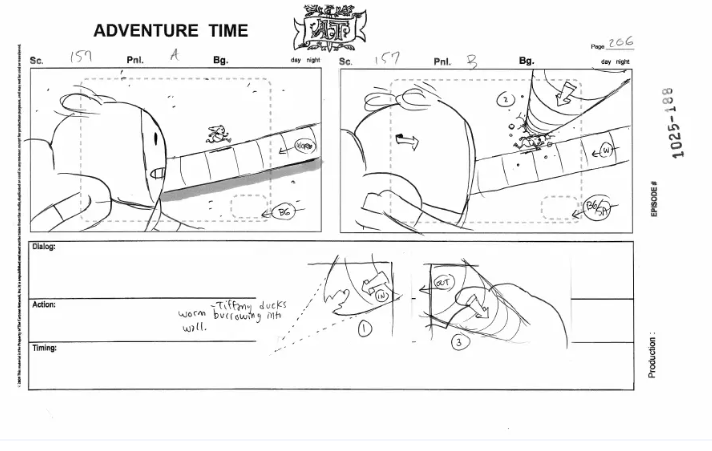



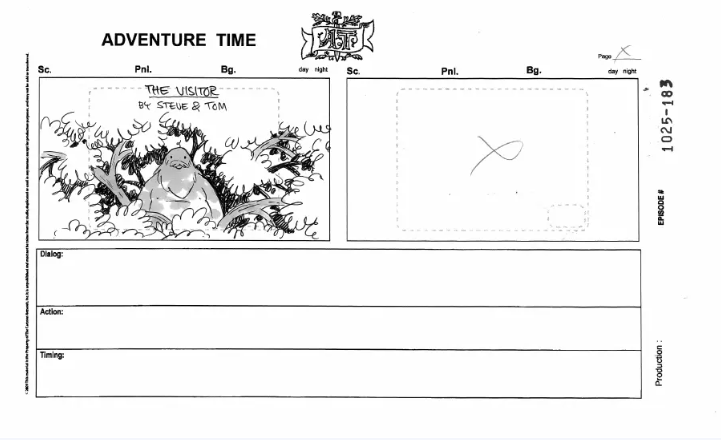

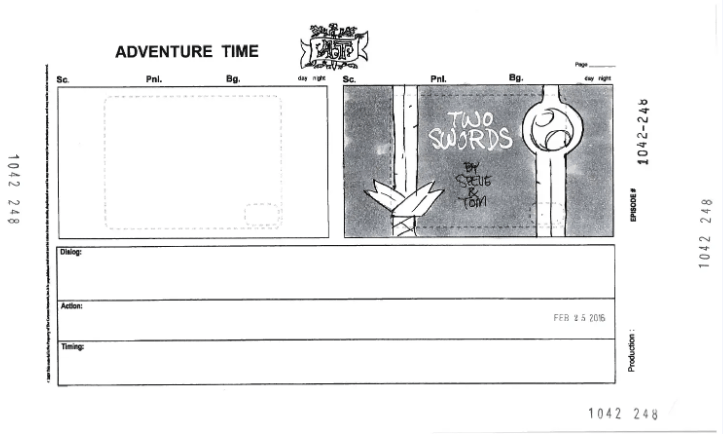


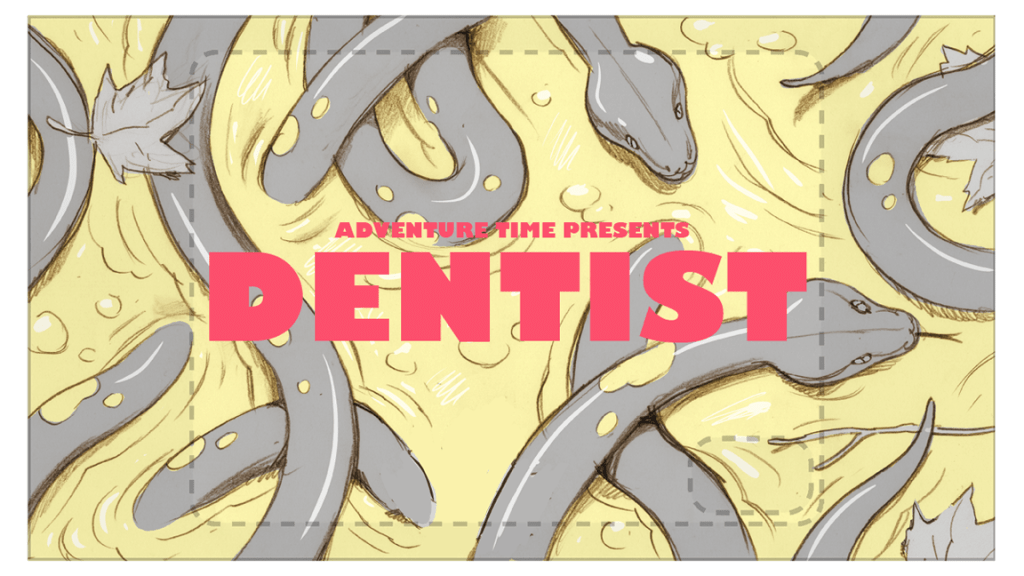


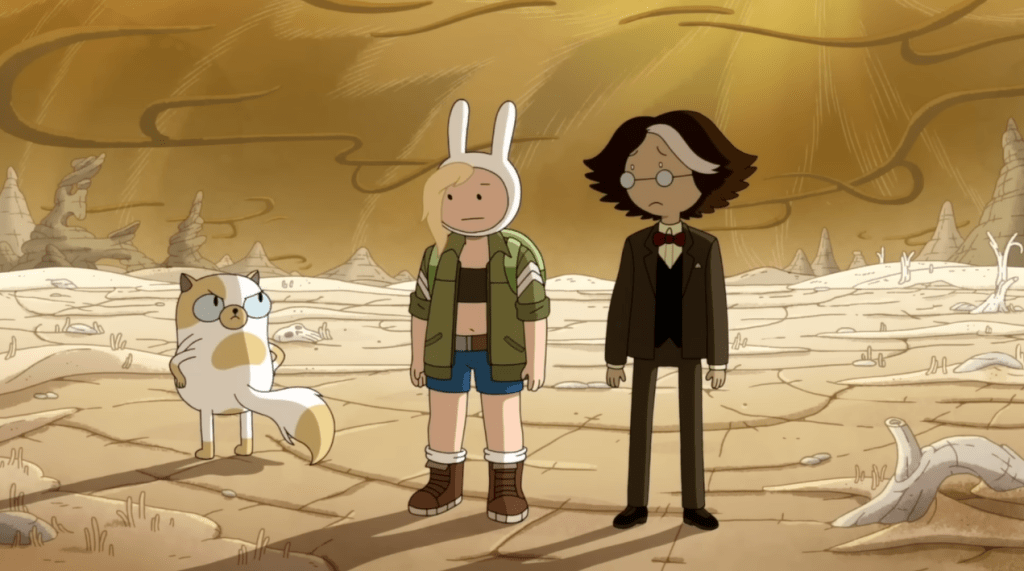
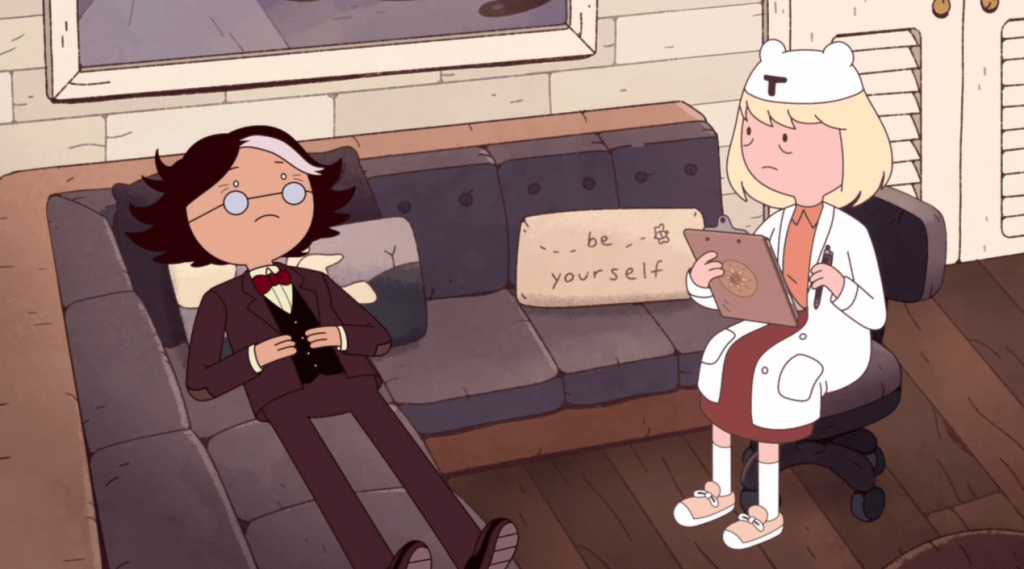
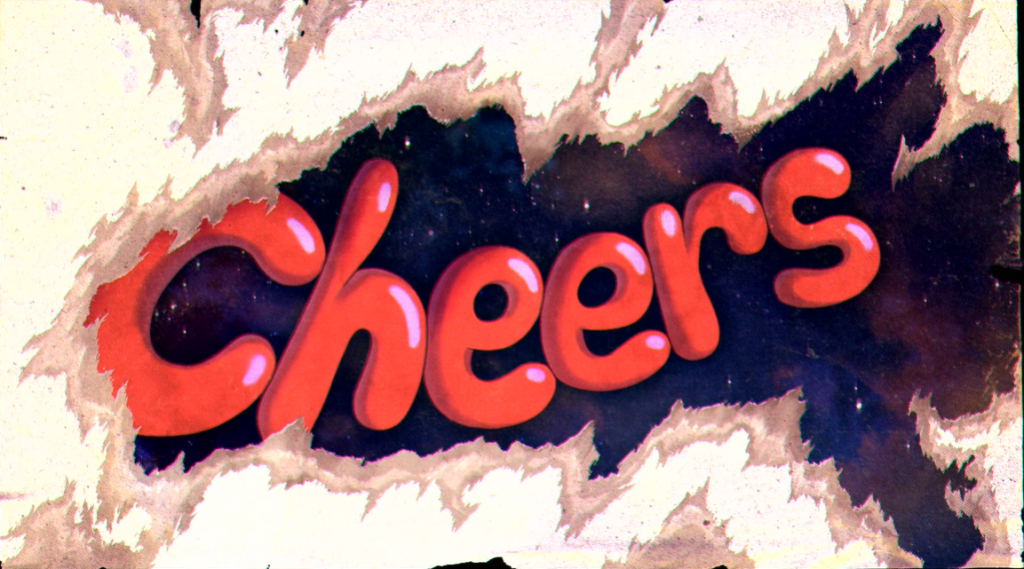
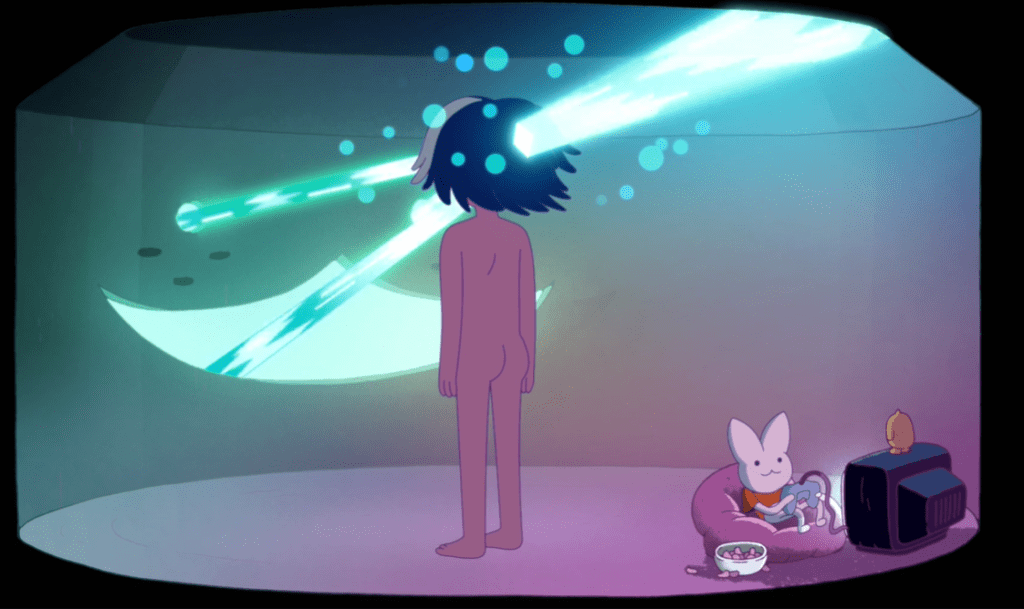
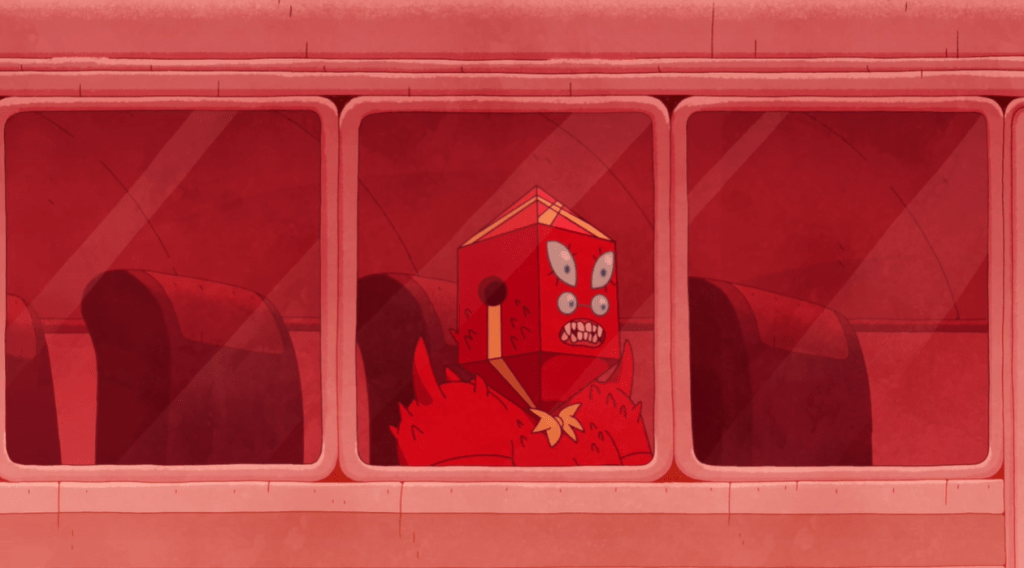

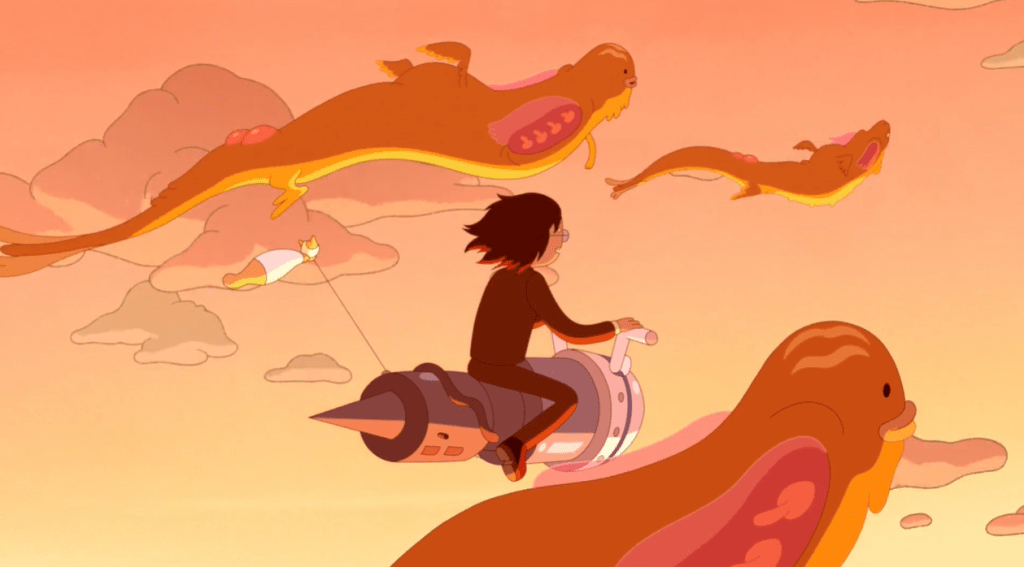


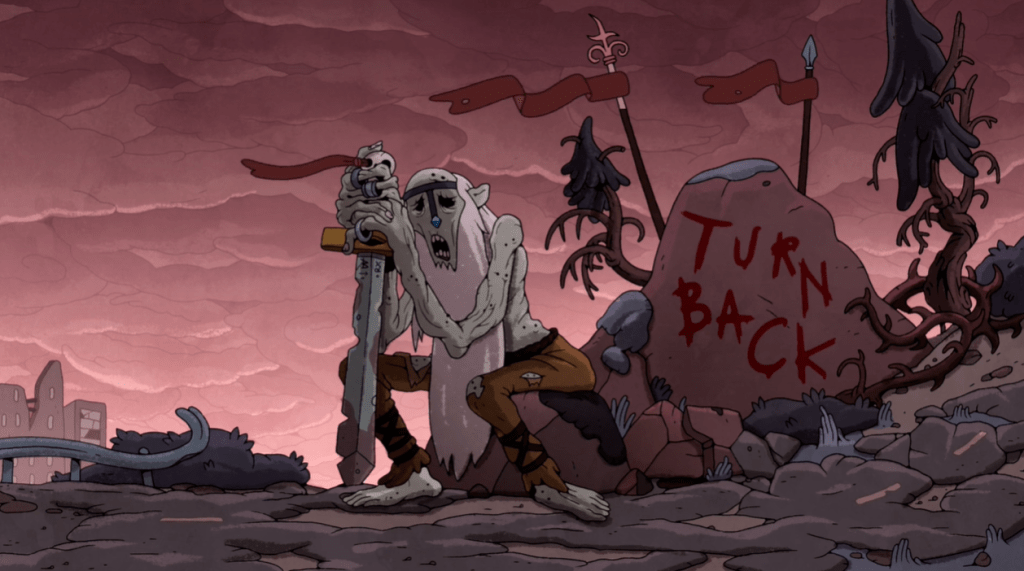


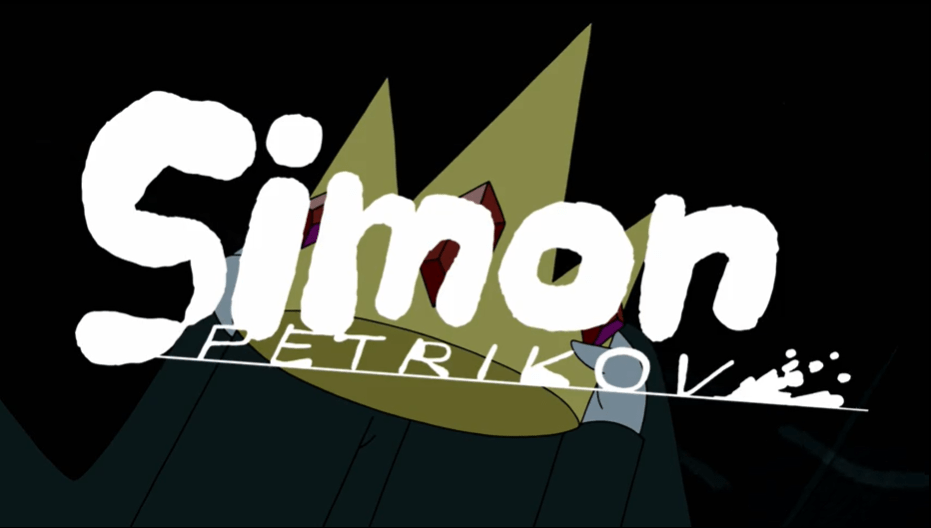


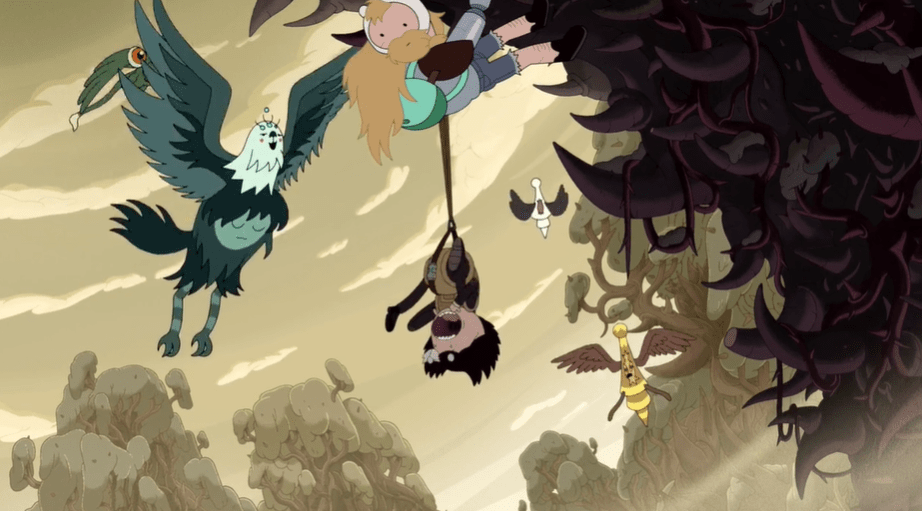

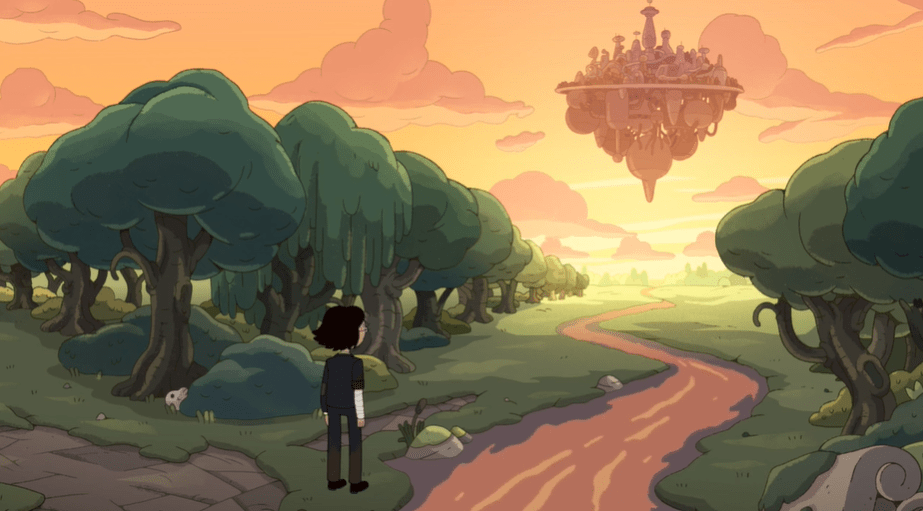


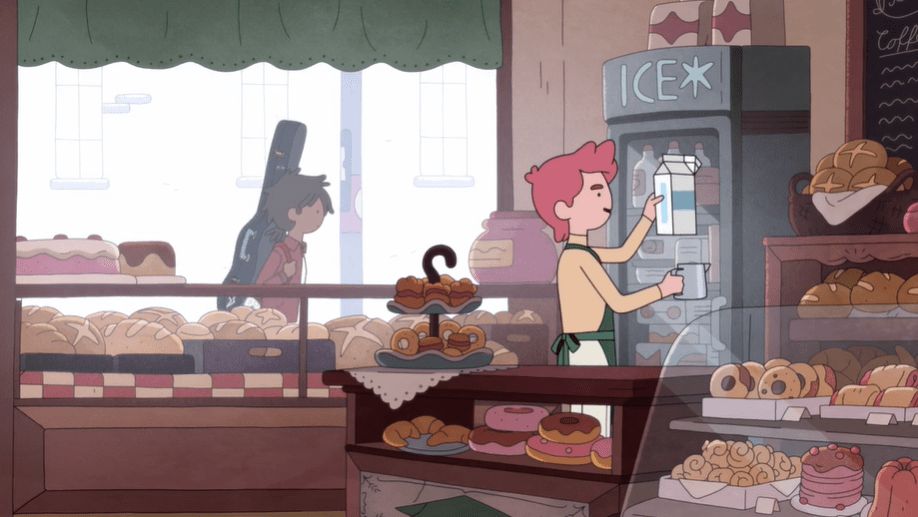


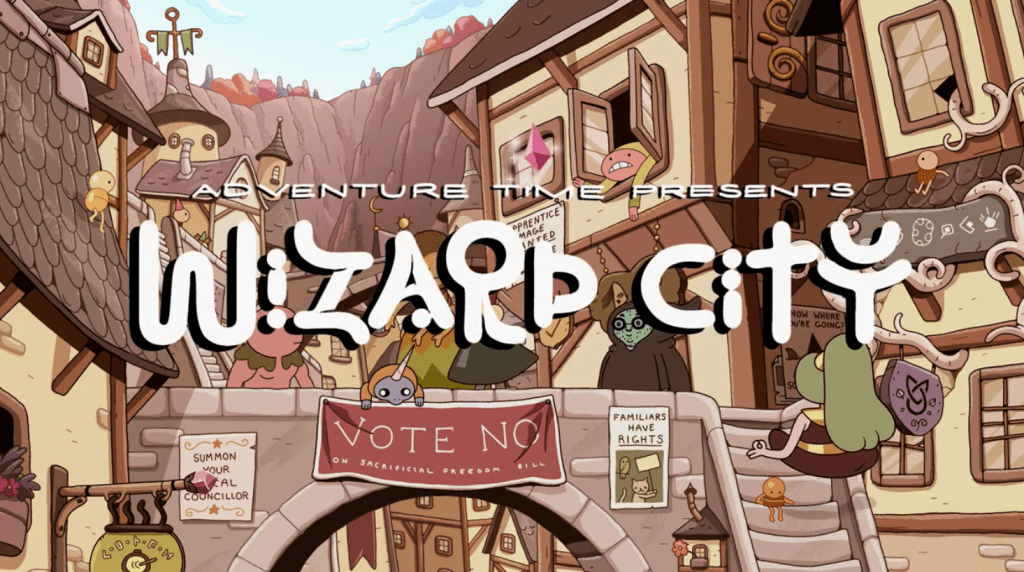


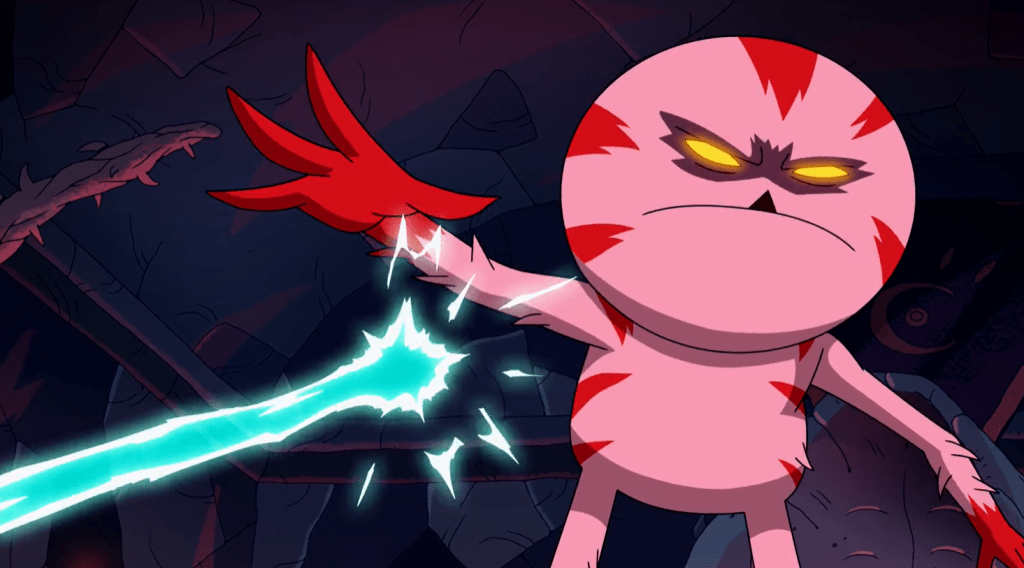
 Adventure Time Reviewed